
Your Own Coaching App: When It Makes Sense and How
Should you launch a coaching app in your own name? When it pays off, what it takes (name, icon, colours, store listing) and why white-label alone is not enough.
No momento, os artigos estão disponíveis em inglês e árabe.
7 min de leitura · · O time da UM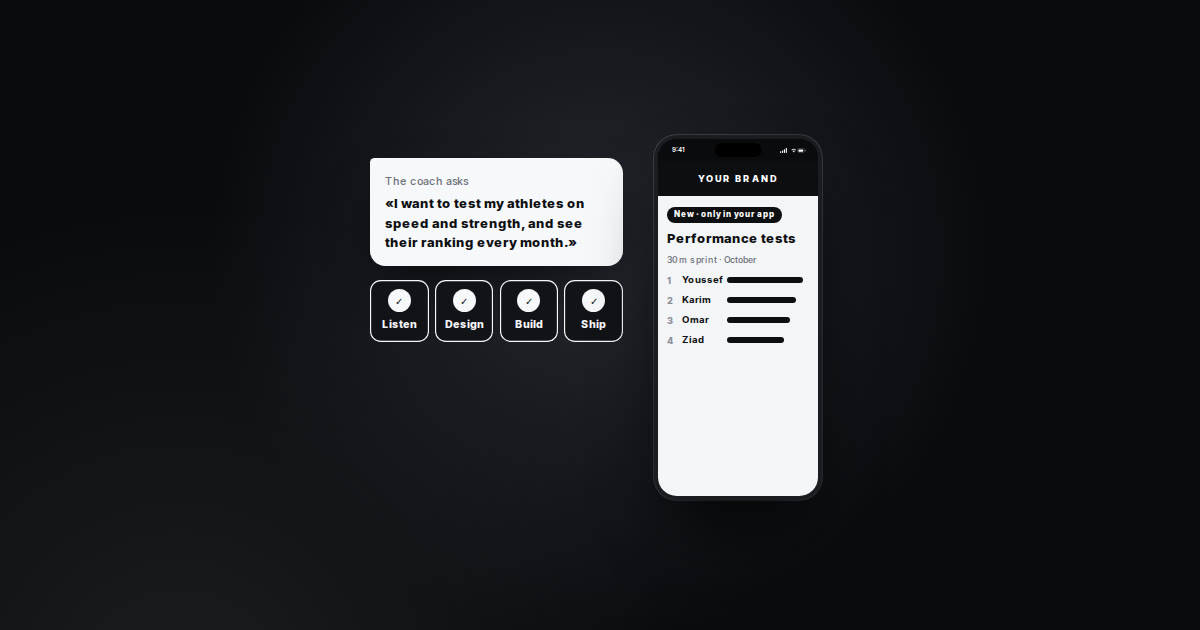
Short answer: an app in your own name makes sense once you have a steady client base, a brand people recognise, and you want to sell premium packages. At that point an app carrying your name, icon and colours raises your value in the client's eyes. But the app is not the goal. The system behind it is.
Plenty of coaches say "I want an app like the big names". Fair ambition. There is a big gap, though, between an app that looks good and is empty inside, and one that carries your plans, check-ins and renewals every single day.
This guide covers when the move is right, what you need to prepare, and why white-label on its own is not the finish line.
When an app in your name is the right move
Not every coach needs a branded app on day one. If you are still landing your first clients, the priority is getting organised and delivering plans in an app instead of PDFs on WhatsApp. You can do that today without your own brand.
These are the signs the time has come:
- Client count: a steady group that renews every month, not starting from zero each time.
- Brand: people come for your name and your content, not for a discount.
- Positioning: you want to sell premium packages, and the whole experience should match that level.
- Team or gym: other coaches work with you or you run a physical space, and clients need to see one brand.
- Trust: downloading your app from the store tells a client they joined a serious business, not a chat thread.
A branded app amplifies the brand you already have; it does not create one from nothing. Build trust and content first, then let the app crown them.
What it takes to launch your own app
The technical side is not your job, but some decisions have to be yours. Prepare these before you start:
- Name: short, easy to spell and say, and not already taken. Search both stores first.
- Icon: simple and readable at a small size on a phone screen. Busy logos disappear.
- Colours: one primary and one secondary, used everywhere: app, social and website.
- Store listing: a clear description of what the client gets, with screenshots from the app itself.
- Your voice inside: package names, the welcome message and the tone your clients already know.
If the brand itself is not ready yet, that is not a blocker. UM offers full branding and a website from zero, so you can go from name and logo all the way to a live store listing.
Why white-label alone is not the end
White-label means taking a ready system and putting your name, icon and colours on it. It is a great start: the system works from day one and you skip building everything from scratch.
The catch is that every coach works differently. One runs everything through group challenges, another tracks athletes with specific measurements, another rewards clients with points. Pure white-label gives you what everyone else has, in a different colour.
That is why UM includes custom development: UM's engineers build features made only for you, on top of white-label. The way you coach becomes part of the app itself, not something you patch together in a spreadsheet.
«Quero testar meus atletas em velocidade e força e ver o ranking deles todo mês.»
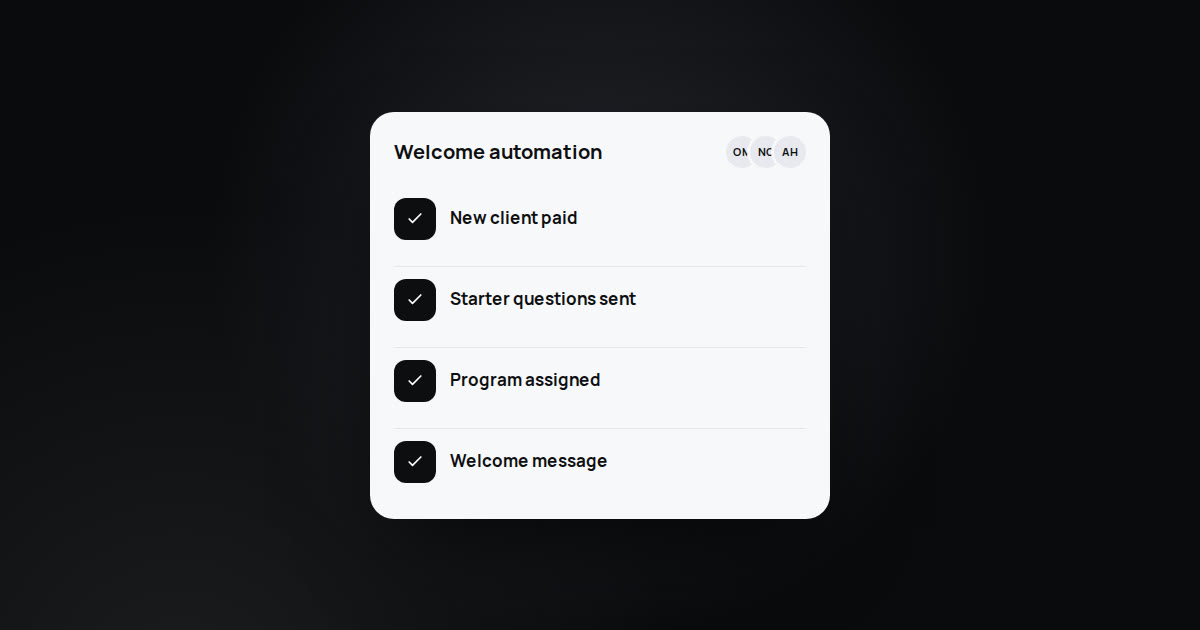
- ✓Ouvir
- ✓Design
- ✓Montar
- ✓Publicar
A beautiful app with no system behind it is an empty shell
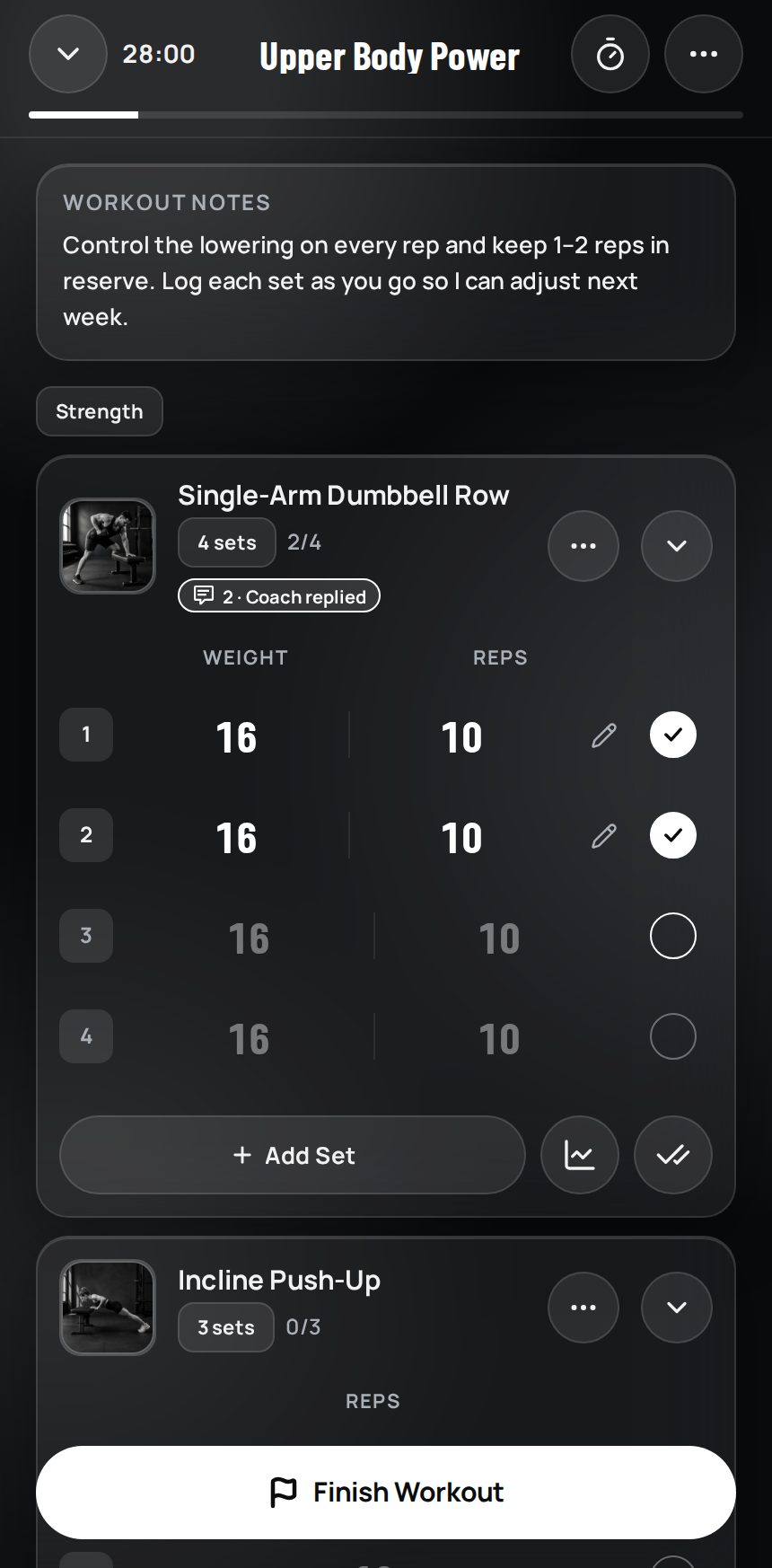
Clients do not keep opening an app because the icon is nice. They open it to find their plan, send a check-in, message you and see progress. This is what needs to sit behind your name:
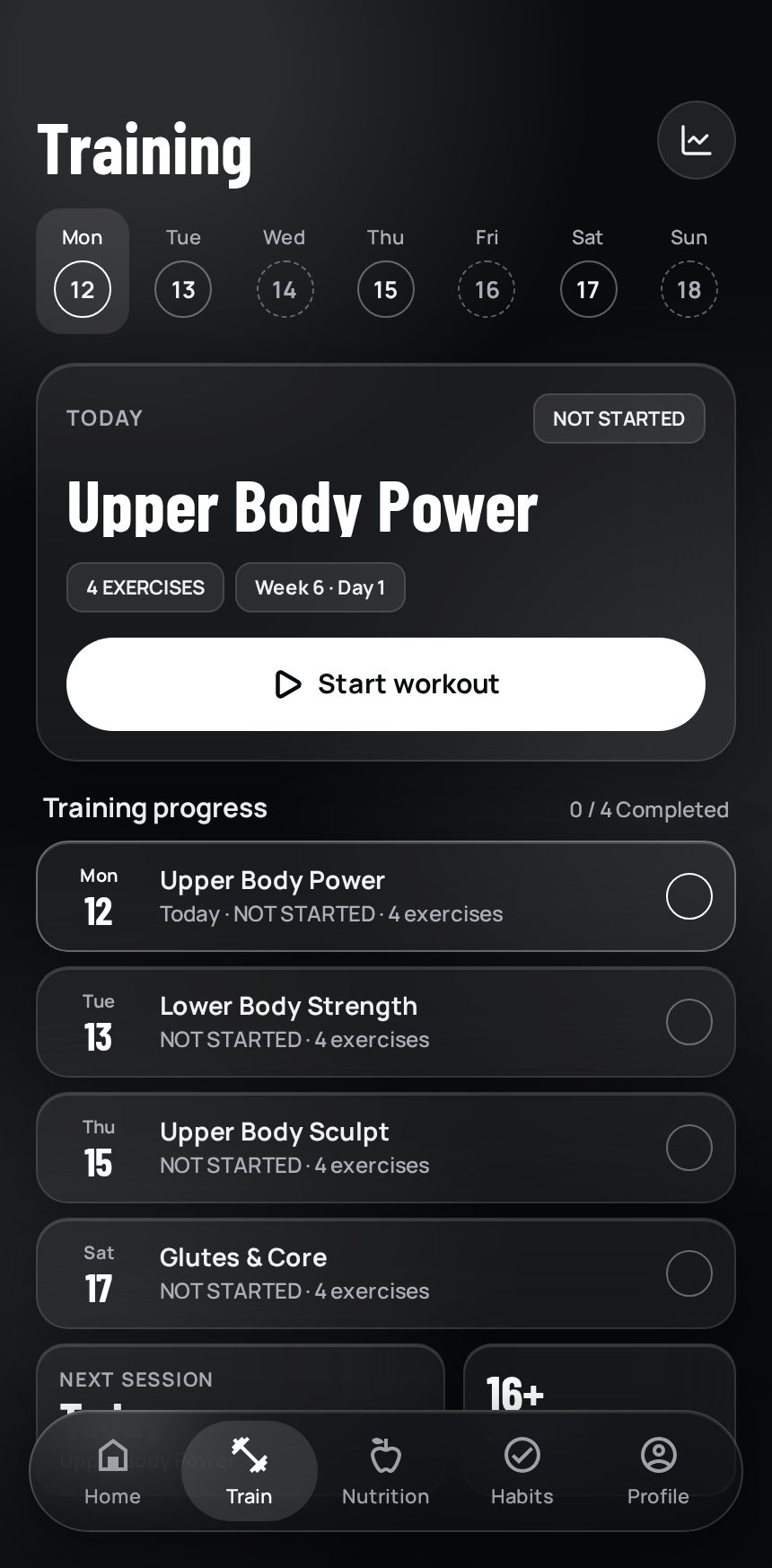
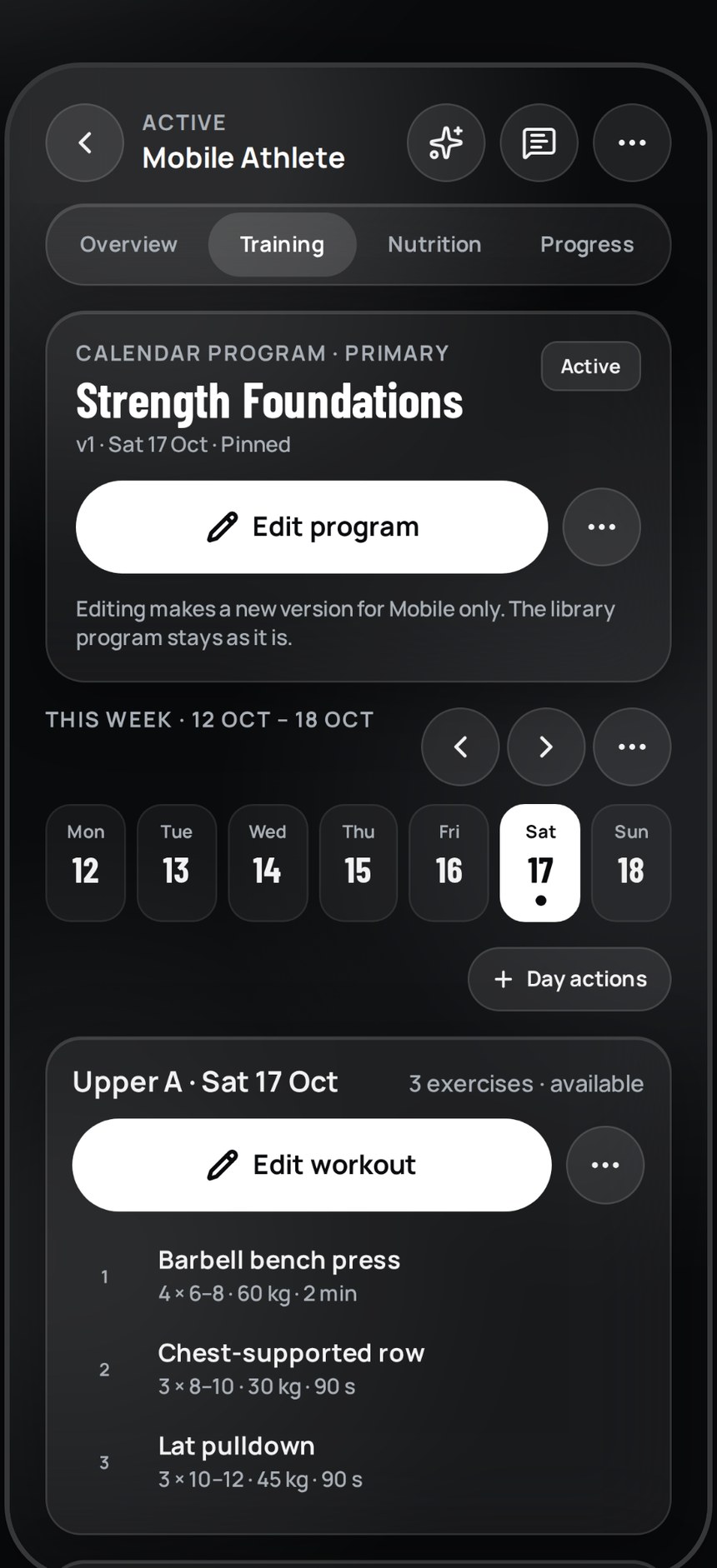
- Workouts from 5,000+ exercises with Arabic, plus your own branded exercises.
- Nutrition plans from 5,000+ meals, plus your own meals.
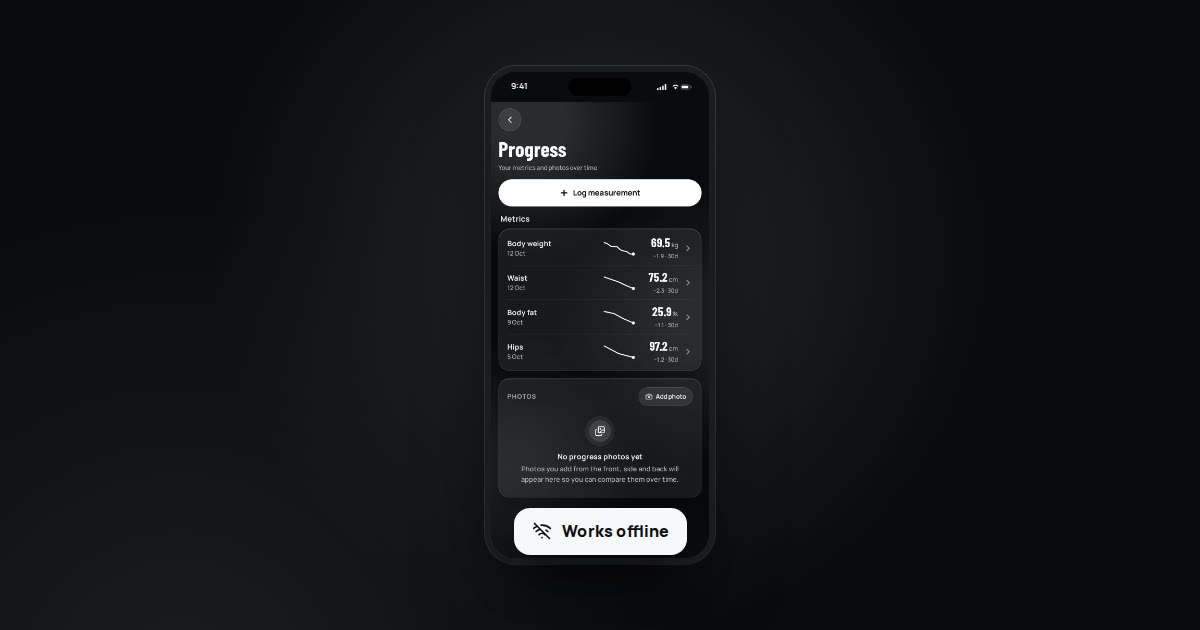
- Check-ins and progress tracking, synced with Apple Health and Google Health Connect.
- Chat with voice notes, and form videos clients upload for you to review.
- Meal photo scanning and barcode lookup.
- 1:1 live sessions by video or voice.
- UM AI drafting plans for you to review and approve.
Clients pay inside their coaching app through a payment gateway, with UM’s official EasyKash partnership. No external payment links. Subscription and renewal tracking stay in the same system. UM takes 0% platform commission on coaching revenue; payment processing fees are separate under the payment service terms.
Mistakes coaches make when building an app
- App before system: if you still run on PDFs and a spreadsheet, the app becomes a prettier version of the same mess. Get organised first.
- A hard-to-spell name: if clients cannot type it into the store, they will not find it.
- Building from scratch alone: months of development and maintenance, and you still need plans, an exercise library, chat and tracking.
- A quiet launch: tell clients they are moving to a new app in your name and what they will find there. The move itself is a moment to celebrate with them.
Practical steps from today
- Get organised first: one file per client instead of PDFs and an Excel sheet.
- Start free for up to 3 clients, with clients on the UM Fitness app.
- Once numbers are steady and the brand is clear, prepare your name, icon and colours.
- Write down the features you wish existed and cannot find anywhere.
- Book a call and talk through your app and the custom development you need.
More than 200 coaches run on UM, and 18+ of them have an app in their own name. The idea is always the same: your name on the app, the whole system behind it.
Última atualização: