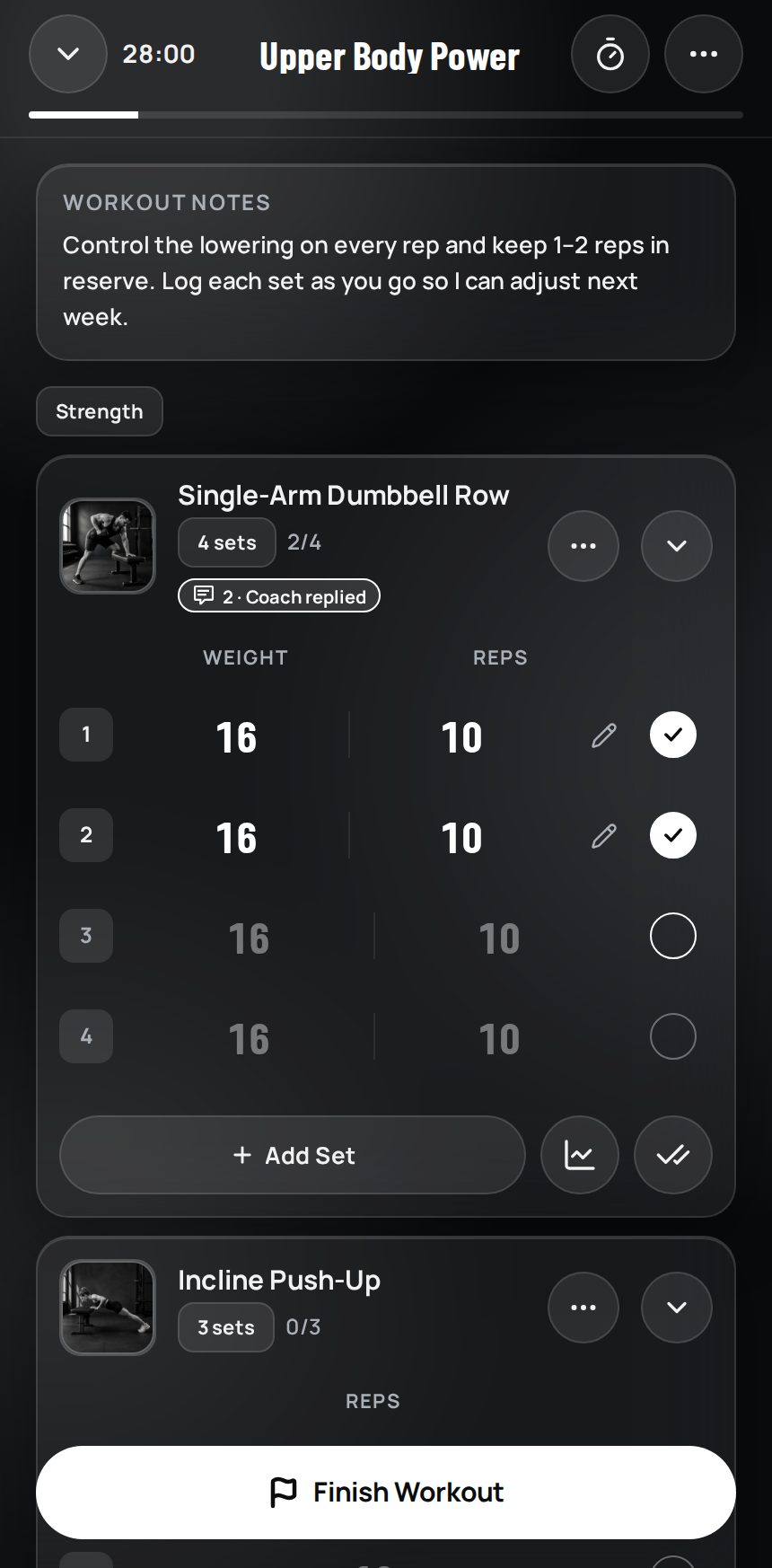

AI Workout and Nutrition Plans: A Coach's Guide
How to build workout and nutrition plans with AI as an online coach: what AI does well, what stays your call and a checklist to review each plan before sending.
No momento, os artigos estão disponíveis em inglês e árabe.
7 min de leitura · · O time da UM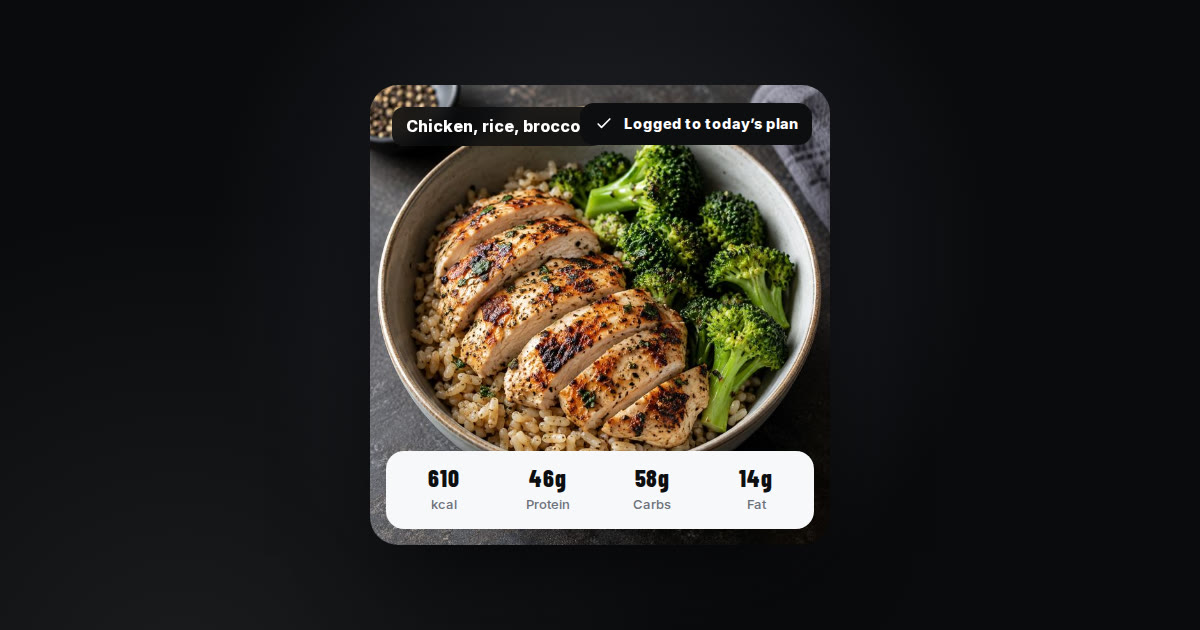
Short answer: yes, you can build workout and nutrition plans with AI in minutes instead of hours, as long as AI writes the draft and you review, adjust and approve it. AI removes the manual grind. The judgement, and the responsibility for your client, stay with you.
Most online coaches know the feeling: six plans due today and none started. The hours that go into macro maths, copying exercises between spreadsheets and formatting PDFs are the same hours that should go into check-ins, marketing and your own life.
This guide is honest about where AI helps, where it should never have the final word, and gives you a review checklist you can copy and use on every plan.
What AI is genuinely good at
AI shines at the work that is slow but not creative: calculations, structure and a solid first version you then refine.
- Calories and macros: starting numbers from weight, height, goal and activity level in seconds.
- Meal distribution: splitting protein, carbs and fats across however many meals the client wants.
- Food swaps: no fish, hates oats? It suggests alternatives with similar macros.
- Programme structure: a split that fits the training days, exercises per muscle group, starting sets and reps.
- Fast edits: "cut carbs by 20%" or "make Thursday a home workout" takes seconds.
There is a big difference between AI that chats and AI that does the work. If you copy from a chatbot into Excel and then export a PDF, you are still doing half the job by hand. The draft should be built inside the same system that holds the client's file, ready to edit and send from there.
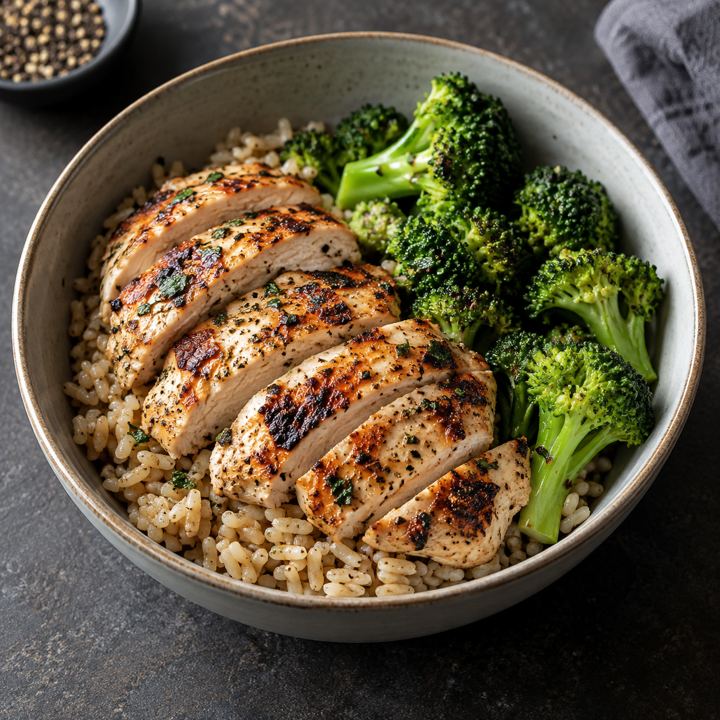 Frango, arroz, brócolis
What must stay the coach's decision
AI does not know your client the way you do. It did not read last week's check-in, and it did not hear the voice note where they said work is crushing them and they are barely sleeping.
- Injuries and pain: you decide whether an exercise that loads a bad knee, back or shoulder is removed or modified.
- Medical conditions: diabetes, blood pressure, thyroid, pregnancy or any medication. That is not your call or the AI's; the client checks with their doctor first.
- Everyday adherence: a perfect plan that does not fit the client's job and routine is a failed plan.
- Culture and local food: a client who eats a local breakfast every morning will not stick to a plan full of food that is not in their kitchen.
- Progression: when to add load, when to deload and when to change the programme comes from reading the client's progress.
The golden rule: AI writes the draft, you sign the plan. No plan reaches a client without your eyes on it.
Your review checklist before sending a plan
Copy this list and keep it next to you. It takes about five minutes per plan, and it is the difference between a coach who uses AI and a coach AI is using.
- Do the calories make sense for the goal (a moderate deficit or surplus, nothing extreme)?
- Is protein sufficient and spread across the day?
- Is the food available where the client lives, and within their budget?
- Any food they said they are allergic to or dislike?
- Do training days and session length fit their actual schedule?
- Do the exercises match their equipment (full gym, home, dumbbells only)?
- Could any exercise aggravate an old injury?
- Is the volume right for their level, or will it break them in week one?
- Is there anything medical that needs a doctor's input before they start?
- Is the plan in the client's language, with food and exercise names they understand?
How AI gives you back hours every week
Keep the maths simple and honest. If one plan takes you an hour of calculating, writing and formatting, and you build ten a week, that is ten hours.
When the draft takes under a minute and your checklist review takes five to ten, that time shrinks to a fraction. The difference goes into what actually grows the business: faster replies, reviewing form videos and content that brings new clients.
For the savings to hold, three things need to be in place:
- A food and exercise library in your language: UM has 5,000+ exercises and 5,000+ meals with Arabic, and you can add your own meals and branded exercises.
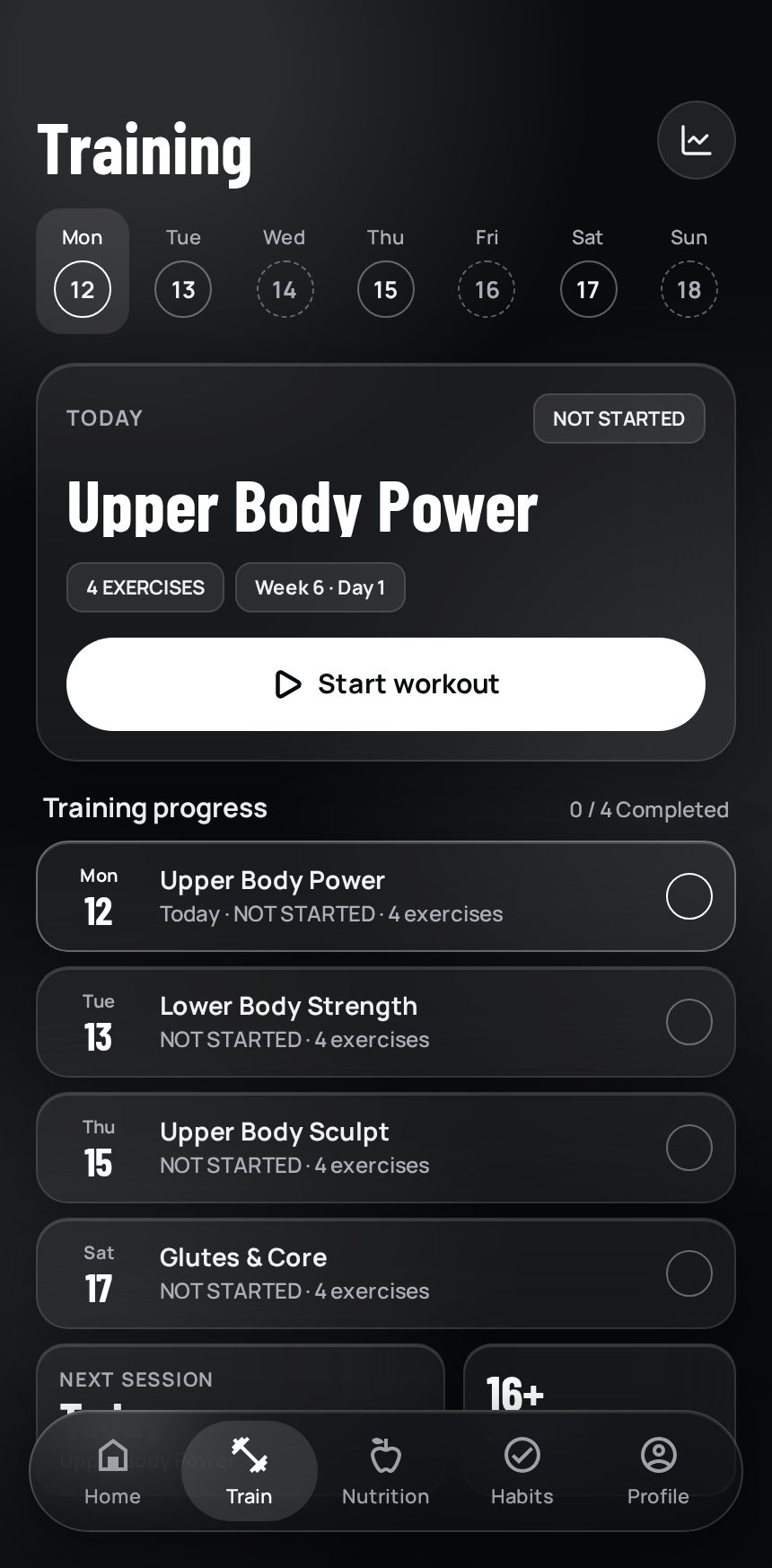
- Plans delivered in an app, not a PDF: the client opens UM Fitness on their phone instead of digging through a WhatsApp chat.
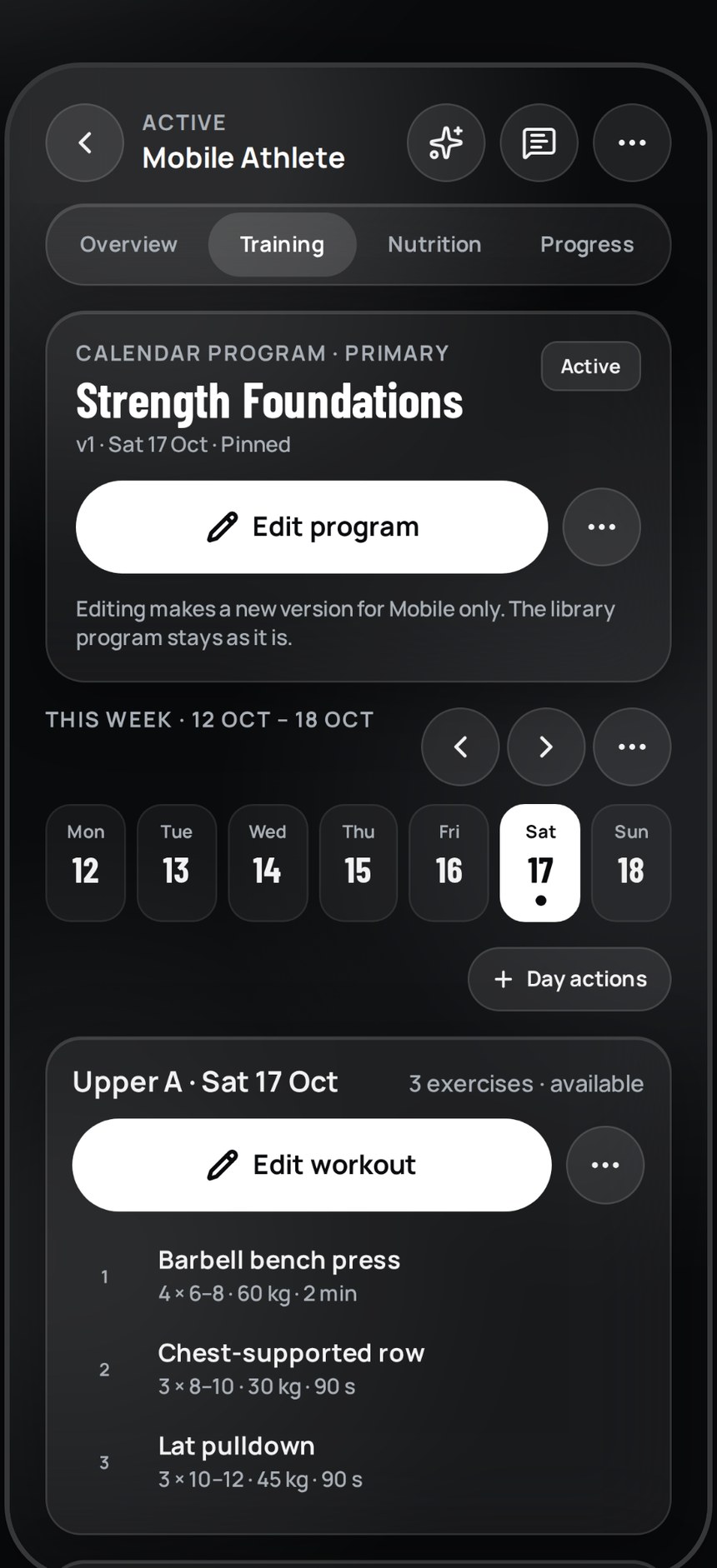
- One file per client: plans, check-ins, chat and renewals in one place, so AI can also analyse performance and help you decide the next adjustment.
Common mistakes coaches make with AI
AI is only as good as the data you give it. Enter weight and goal alone and you get a generic plan like any other online. Enter the client's exact details and the draft gets very close to what you would have written yourself.
- Sending the draft as is: nothing loses a client's trust faster than finding a food they told you they never eat.
- Ignoring the check-in: a new plan should build on last week, not on day-one data.
- Forgetting your voice: add a short note on top, like "this week, focus on sleep and water". That is what makes the plan feel like yours.
Practical steps to start today
- Pick one client with complete data (weight, goal, training days, foods they avoid).
- Let AI draft the nutrition plan, then the workout.
- Run the checklist above and fix what needs fixing.
- Send the plan and watch the first check-in a week later.
- Once you trust the process, roll it out client by client.
UM AI does this inside the system: a nutrition draft in about 30 seconds and a workout in about 45, plan edits and performance analysis, with eight languages on paid plans and very limited AI on Free. The decision is always yours. You can try it free forever for up to 3 clients, no card needed.
Última atualização: