
AI Meal Photo Scanning: How Accurate Is It for Calories?
How accurate is AI meal photo scanning for calorie tracking? Where it works, where it struggles (hidden oil, mixed dishes, portions) and how coaches should use it.
No momento, os artigos estão disponíveis em inglês e árabe.
8 min de leitura · · O time da UM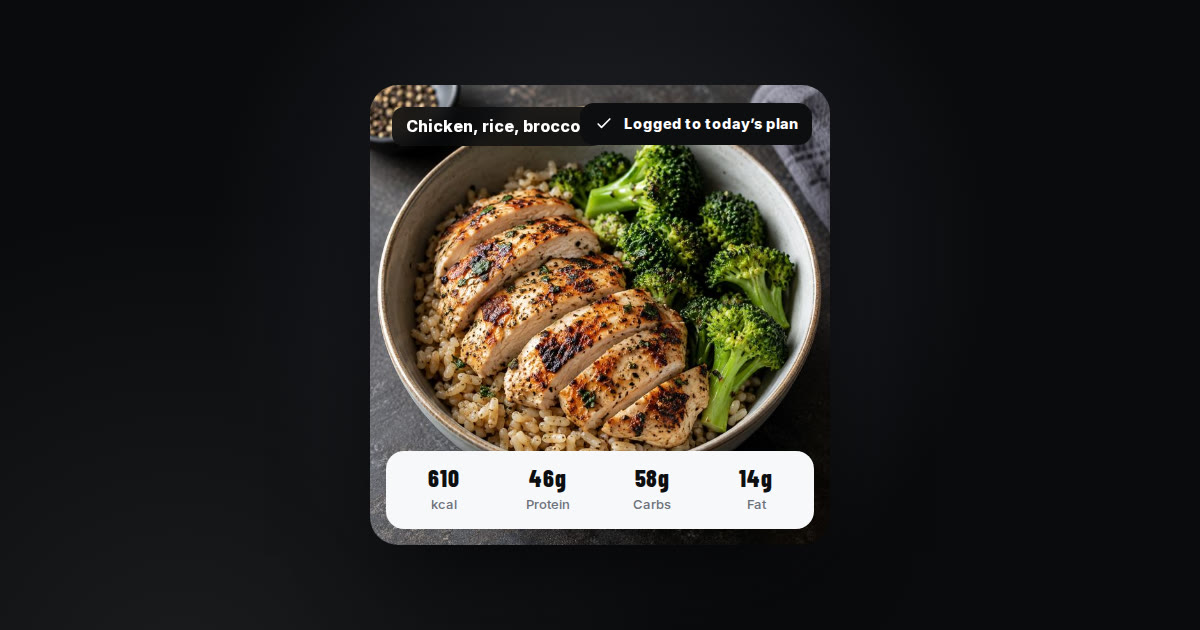
AI meal photo scanning is good at identifying foods and very fast for logging, but it is not gram-accurate for calories. Studies find energy estimates off by roughly a third on average, mostly from hidden oils, mixed dishes and portion size. It is most useful for adherence and tracking trends, as long as the client reviews the amounts and the coach builds habits that cut the error down.
Your clients hate weighing food. That is no secret. Tell them to log every meal in grams and most will manage a week, then go quiet.
So “snap your plate and the app does the maths” sounds perfect. The question a coach should ask is simple: can I make decisions on the number it gives me?
Is AI meal photo scanning accurate for calorie counting?
Roughly, not to the gram. A 2025 study in Current Developments in Nutrition tested leading general-purpose AI models on 52 lab-measured food photos; the best models still missed energy content by an average of 35.8%.
The researchers noted this is comparable to traditional self-reported food records, without the logging effort. The same study found error grew with plate size: the models underestimated large portions the most.
In research presented at NUTRITION 2026 by scientists at the US National Institutes of Health, four photo-based calorie apps underestimated meals by 250 to 345 calories on average, and fat by about 30 grams. That is a conference presentation, not yet a full peer-reviewed paper.
What does photo AI do well?
Its strongest skill is recognising what is on the plate. A 2024 study in Nutrients compared seven apps with food image recognition: accuracy at identifying meal components ranged from 46% to 97% depending on the app, with the best recognising nearly every item.
- Identifying foods: chicken, rice, salad, bread. These usually come out right.
- Speed: one photo and a few seconds, instead of searching each item and typing amounts.
- Adherence: easier logging means more logged days, which is what gives you a picture of the week.
- Simple plates: one clear item is the easiest thing for it to estimate.
Where does photo calorie tracking go wrong?
Three main places: hidden oils and fats, mixed dishes, and portion depth.
- Hidden oil: an extra tablespoon of oil in cooking adds about 120 calories and is invisible in a photo, which helps explain why fat is the macro most often underestimated.
- Mixed dishes: koshari, mahshi, pasta bakes and stews. Ingredients sit inside each other, and a photo cannot show the ratios. The Nutrients study found energy estimates for mixed and cultural dishes were poor; in one case an app overestimated a noodle soup by 49%, and another underestimated a sweet drink by 76%.
- Portion depth: a top-down photo cannot see how deep the bowl is. One cup of rice spread flat looks like two cups piled up.
- Drinks and sauces: juice, sweetened coffee, tahini and dressings vanish or get misjudged.
| Food type | How photo AI does | Coaching tip |
|---|---|---|
| Single clear item (grilled chicken, fruit) | Good at naming and portion | Let the client log by photo as normal |
| Separated plate (rice + chicken + salad) | Good at naming, fair on amounts | Ask them to keep items apart on the plate |
| Mixed dishes (koshari, mahshi, stews) | Weak on ratios and calories | Log the dish from the library or adjust grams by hand |
| Fried or oil-heavy food | Usually underestimates fat | Log cooking oil as its own item |
| Drinks and sauces | Often missed or misjudged | Log separately by cup or spoon |
| Large or deep portions | Underestimates the most | Add a side-angle photo |
How should coaches use meal photo scanning?
As an adherence and trend tool, not a scale. What matters is that the client logs, and that the two-week trend is heading the right way.
- Always a review step: the client sees the foods and grams before logging and fixes anything wrong.
- Plate habits: items side by side rather than piled up, and the same plate size every day.
- Oil on its own line: teach clients to log spoons of oil or ghee as a separate item.
- Weigh once a week: weighing one meal a week trains the client’s eye for portions.
- Coach the outcome, not the number: if logged calories look on target and weight is not moving, something is unlogged or underestimated.
The photo tells you what the client ate. The scale and the check-in tell you how much. Use both.
From the point of view of a coach who reviews food logs every week: “Rough logging every day beats perfect logging twice a week.”
How does UM handle meal photo scanning?
In the UM client app, available on the App Store and Google Play, the client photographs their plate and a vision model names the foods and estimates the grams.
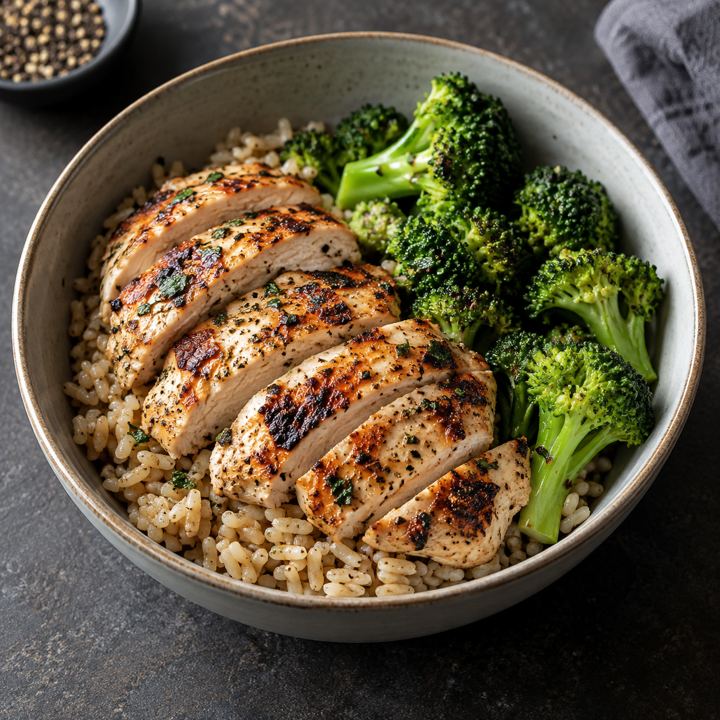 Frango, arroz, brócolis
- The AI only names and estimates: calories and macros come from a food database, not from an AI guess.
- The client reviews before logging: they correct the food or amount before the meal enters their day.
- The photo is not stored: it is used for the analysis and nothing else.
- It all reaches you: logged meals sit in the client’s file next to their check-ins, and UM AI reads them when it builds adherence insights.
It is part of UM, the one system that replaces PDFs on WhatsApp and Excel sheets, with 5,000+ meals in the library. UM is free forever for up to 3 clients.
If you want to go deeper on nutrition follow-up that clients stick with, UM Academy has free courses for coaches.
- Fridolfsson et al., Current Developments in Nutrition (2025): Performance of 3 large language models for nutritional content estimation from food images
- Li et al., Nutrients (2024): Manual food logging and AI-enabled food image recognition in apps for nutrition care
- NIDDK researchers at NUTRITION 2026 (conference presentation), via News-Medical: Photo-based calorie-tracking apps fall short
Última atualização: