
Hybrid Coaching: Adding 1:1 Live Sessions Online
Hybrid coaching explained: add 1:1 live video or voice sessions to your online coaching, package them as a premium tier, and run a tight 20–30 minute session.
文章目前提供英语和阿拉伯语版本。
阅读 7 分钟 · · UM 团队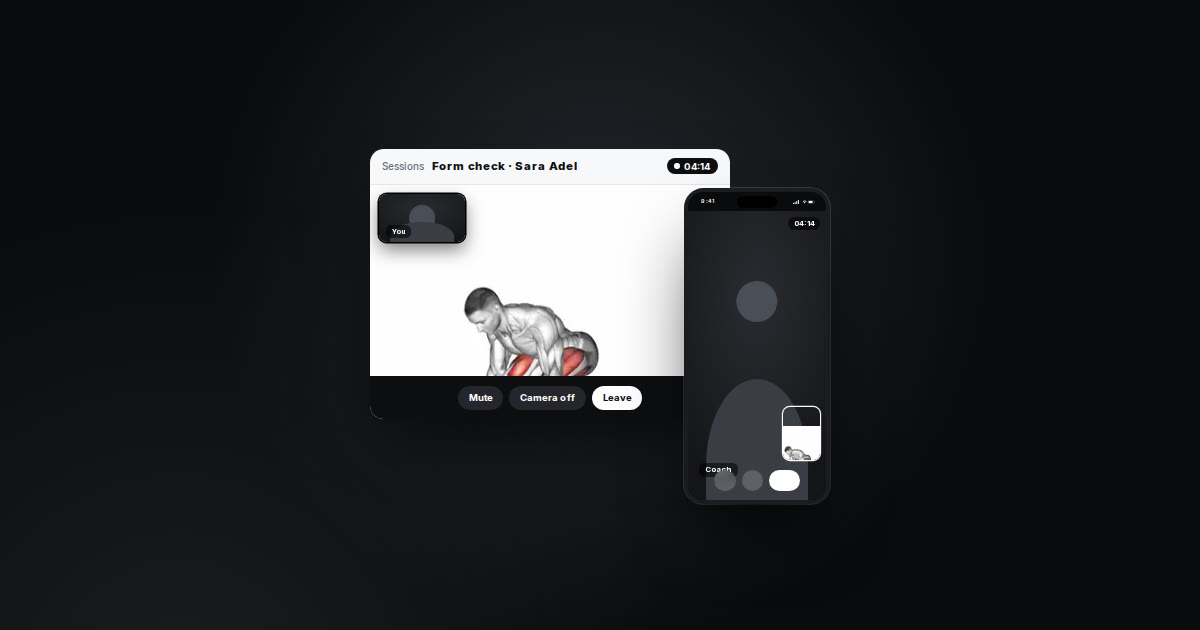
Hybrid coaching means pairing your usual online coaching (programs, nutrition, check-ins, chat) with regular 1:1 live sessions by video or voice. The calls don’t replace the async work; they sharpen it, and they give you a clear premium tier to sell. The key is keeping them short and structured: 20–30 minutes with an agenda, a form check and a written summary.
“Some clients keep asking to talk face to face. Messages aren’t enough for them.” Meanwhile plenty of coaches avoid calls because they picture hour-long chats every day. The answer isn’t to say no. It’s to make the call a defined part of a package, with clear limits.
Why add live sessions to online coaching
Some clients need to see and hear you to stay committed. Messages carry information; a call builds trust much faster.
- The nervous new client: one call settles them and explains the plan better than any document.
- A form issue: sometimes you spot it live and fix it in two minutes.
- The stuck client: twenty minutes can untangle what a week of messages couldn’t.
- The client who wants more attention: that’s exactly what they’re happy to pay extra for.
Not every client needs calls, though. Some are perfectly happy with chat and check-ins, and that’s fine. Hybrid coaching is an add-on for those who want it, not a requirement for everyone.
Most importantly, live sessions give you an obvious difference between a standard and a premium package, without adding more programming work.
Packaging hybrid coaching as a premium tier
The biggest mistake is saying “call me whenever you like.” That turns into endless calls. Set the number, length and format upfront.
- Standard: training and nutrition plan, weekly check-in, chat with voice notes.
- Premium: everything above, plus a 30-minute 1:1 live session every two weeks (two a month).
- VIP, if you want one: a weekly session and priority review of form videos.
Spell it out in the package description: sessions per month, length, video or voice, and that a no-show without 24 hours’ notice counts as used. Clarity protects both of you.
A script to offer premium to a current client: “[Name], I’ve noticed you get a lot out of it when we talk directly. I have a package with a 30-minute live session every two weeks where we go through your form and plan together. Want me to send you the details?”
How to run a 20–30 minute live session
A good session isn’t a chat. It’s a short meeting with a start and an end. This structure works for most clients:
- Before: send the agenda a day ahead and ask for their check-in and, if relevant, a form video.
- First 3–5 minutes: how was the week, what felt hardest.
- 10 minutes: review the numbers: measurements, photos, training and nutrition adherence.
- 10 minutes: form check, either live on camera or going through a video they sent.
- Last 5 minutes: three clear decisions for the next two weeks, and the next session date.
One small habit: start on the minute and finish on the minute. Clients respect your time more when they see you respect it, and you can stack two sessions back to back without wrecking your day.
Right after the call, write a 3–5 line summary: what was discussed, what changed in the plan, and what the client needs to do. That summary is what turns a nice conversation into actual progress.
Always save the last five minutes for “three decisions”. A client who leaves the call knowing exactly what to do next is a client who renews.
Live form checks: what works and what doesn’t
A camera isn’t the same as standing next to someone in the gym, so keep expectations realistic and ask for a simple setup.
- Phone on the floor or a shelf: side view for squats and deadlifts, front view for presses.
- Light load or bodyweight on the call; save heavy sets for a recorded video sent later.
- Correct one thing, then have them repeat the rep until you see the change.
- If there’s pain or a possible injury, stop and refer them to a doctor or physiotherapist.
Between sessions, clients can upload a workout video for you to review. That keeps form coaching going all month, not just twice.
Mistakes that ruin live sessions
Many coaches start live calls with enthusiasm and dread them two months later. It’s usually one of these:
- No agenda: the conversation wanders and 30 minutes becomes an hour.
- Open scheduling: the client books at 11 pm and you agree so you don’t upset them.
- No summary: two weeks later neither of you remembers what was decided.
- Calls replacing follow-up: you hold a question for the call when a voice note would have solved it.
- Everything at once: food, training, sleep and work stress in one call, and the client remembers none of it.
The fix is simple. Block fixed days and hours for sessions, say two days a week, and let clients choose within them. Give each session one main topic and leave the rest for chat and check-ins.
Running it all without five different apps
Booking on WhatsApp, opening a call link in another app and writing notes in a notebook falls apart quickly once you have more than a handful of premium clients.
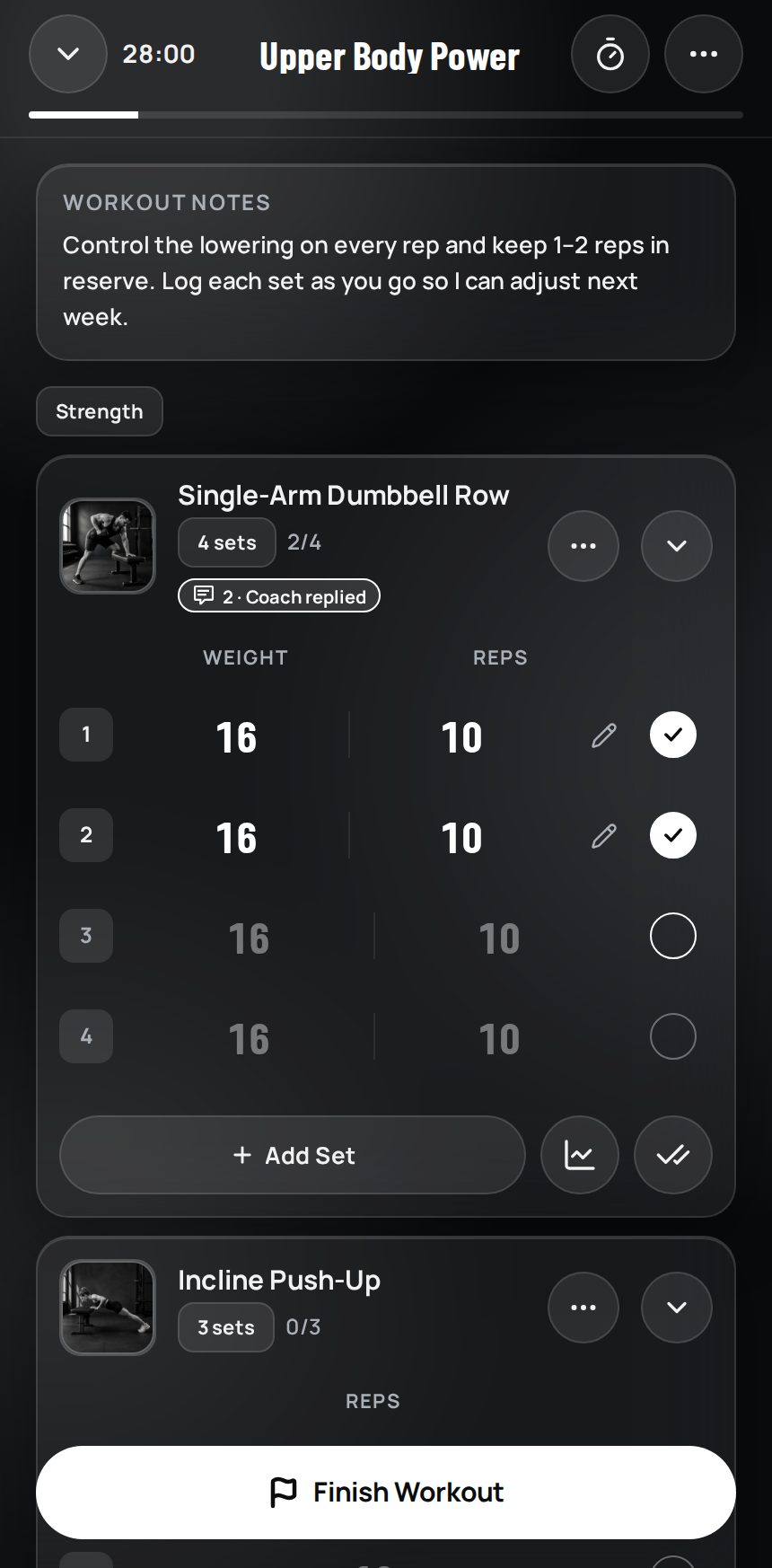
In UM, live sessions are 1:1 between a coach and one client, by video or voice. The room opens 15 minutes early, reminders go out to the client, and they see the agenda beforehand. Afterwards, the summary and attendance are saved in the client’s file next to their program, check-ins and chat, so the next session picks up where you left off.
That keeps the premium tier tidy: who attended, how many sessions are left, and whose subscription is about to end, all in one place.
最近更新: