
How to Choose an Online Coaching Platform: 12 Questions
Twelve questions to ask before you pay for an online coaching platform: Arabic client app, local pricing, commission, white-label, local food, AI, offline and data.
文章目前提供英语和阿拉伯语版本。
阅读 8 分钟 · · UM 团队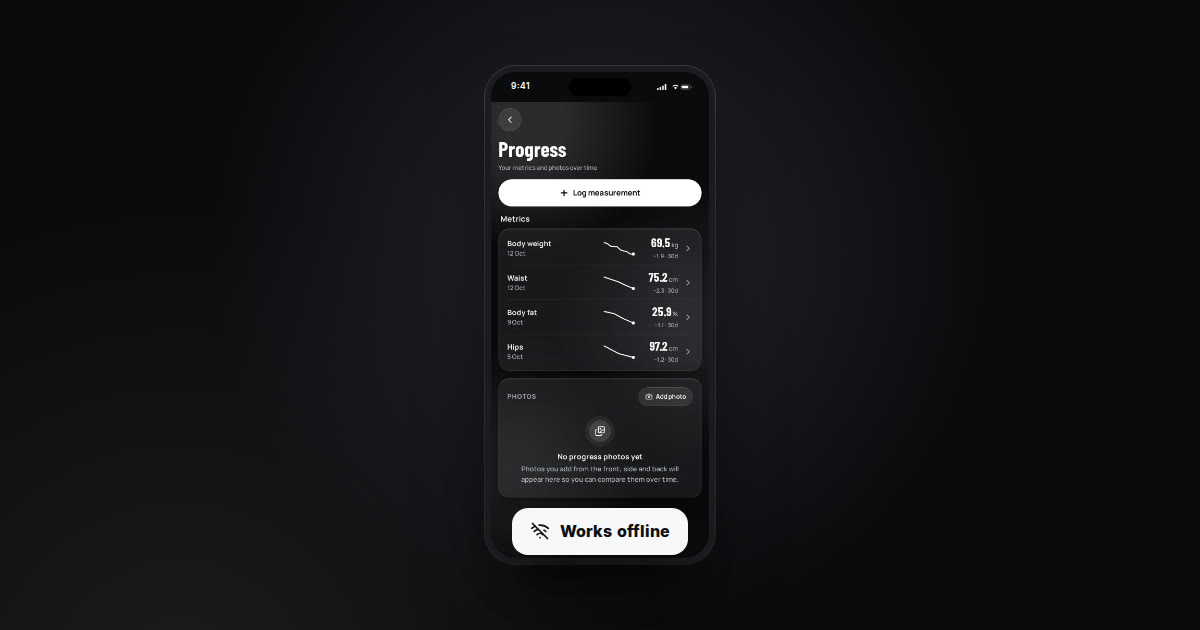
Choose an online coaching platform with 12 questions: Is the client app in Arabic? What is the price in your currency and per client? Is there commission on client payments? Is there a white-label app? A local food library? Check-ins, chat and calls? AI that uses client data with your approval? Offline mode? Data you own? Support speed? A coach mobile app?
Most coaches pick a platform from an ad or because a friend uses it. Three months later they find their clients can’t follow an English-only app, the dollar invoice jumped with the exchange rate, or moving 40 clients elsewhere would be a nightmare.
This is a checklist to take into any demo or free trial. We won’t compare platforms by name. You get the questions and what a good answer looks like, and at the end we answer them for UM, honestly, as one example.
What 12 questions should you ask before you pay?
They run from what matters most to your clients to what matters most to your business. Ask them in the demo and get the answers in writing.
| Question | Why it matters | A good answer |
|---|---|---|
| 1. Is the client app in Arabic? | Clients don’t open screens they can’t read | Full right-to-left Arabic, not half-translated buttons |
| 2. Price in your currency, and per client? | Dollar plans move with the exchange rate | Local-currency plans; divide the price by your client count |
| 3. Any commission on client payments? | A small cut of every package grows with you | 0% commission, client money goes to you |
| 4. A white-label app? | Your brand is what sells premium packages | An app with your name and logo in the stores when you need it |
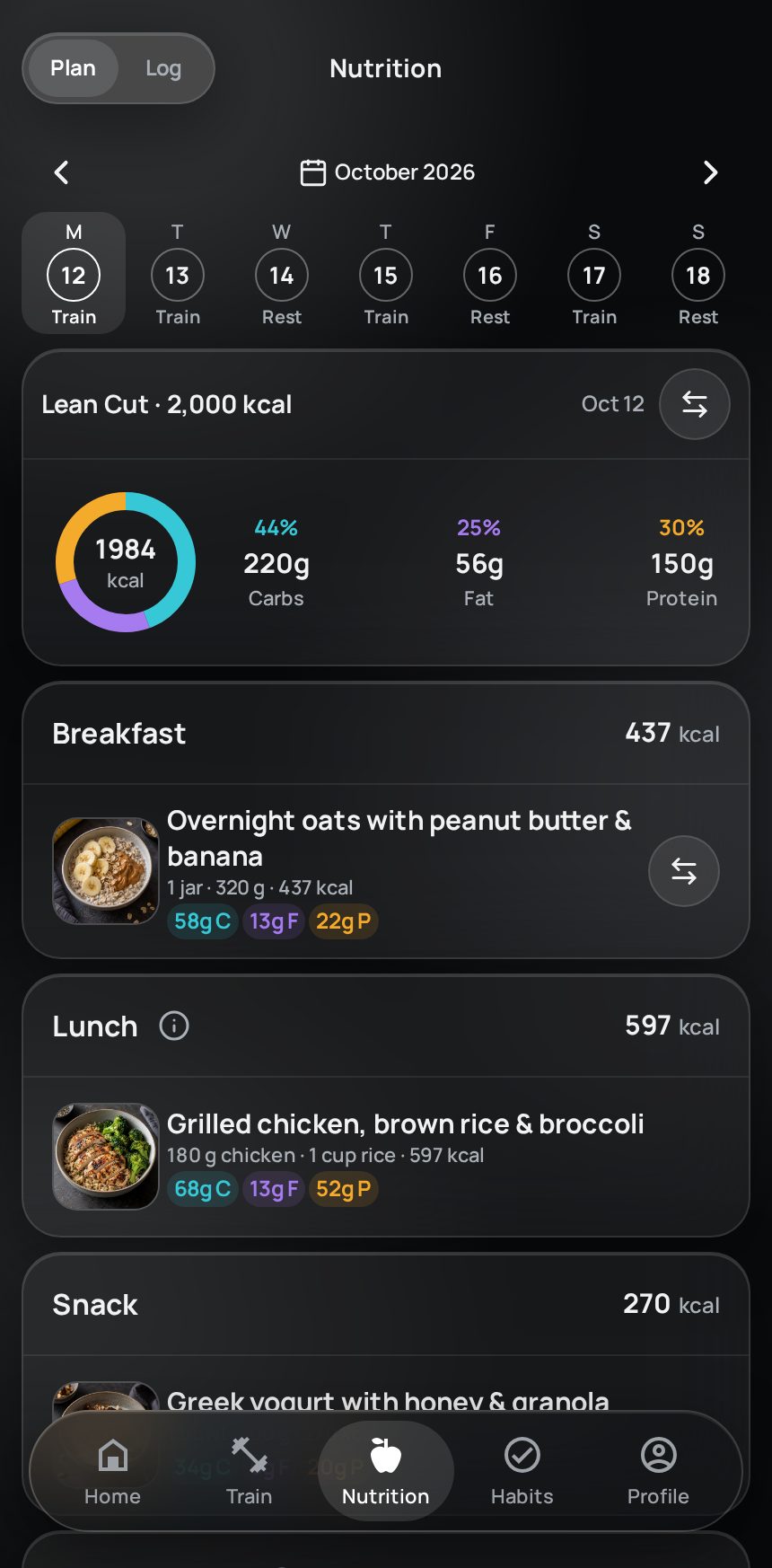
| 5. Local food in the nutrition library? | Clients won’t stick to a plan of foreign food | Meals with Arabic names, and you can add your own |
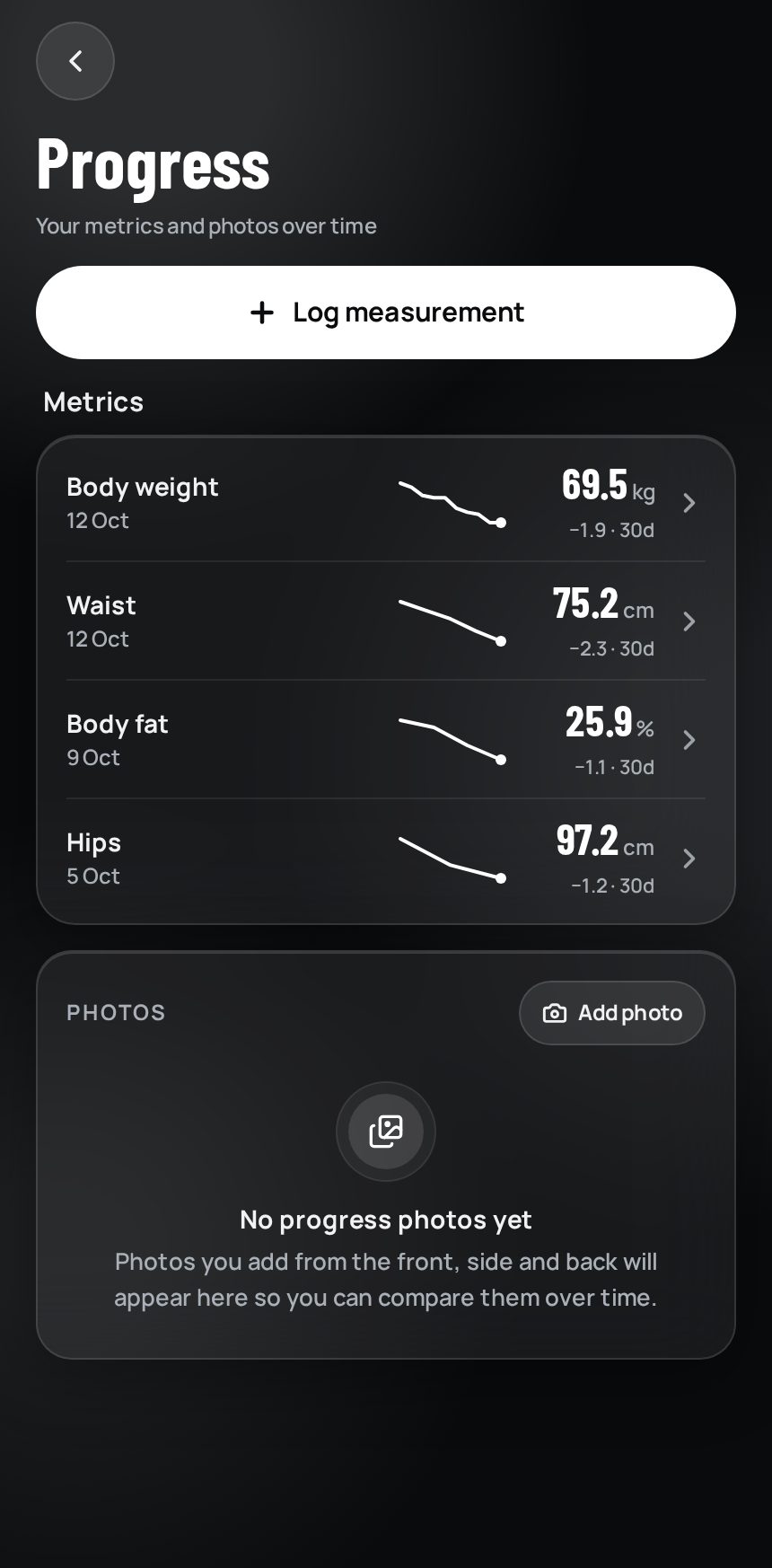
| 6. Flexible check-ins? | The check-in is the heart of follow-up | Your own questions, photos, measurements and a progress chart |
| 7. Voice notes in chat? | Coaching in the region happens by voice | In-app chat with voice notes |
| 8. Video calls inside the app? | Calls let you sell higher-priced packages | Calls inside the client app, not an outside link |
| 9. AI that uses client data, with your approval? | A generic chatbot doesn’t know your client | AI that reads client data and your library and never publishes without you |
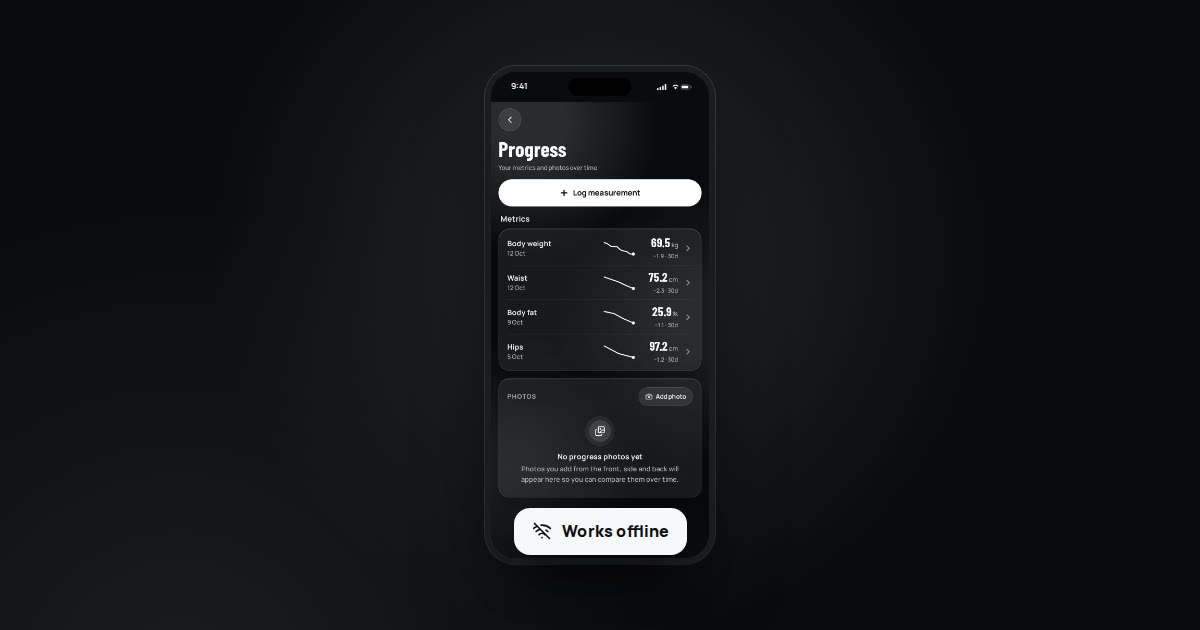
| 10. Does it work offline? | Gyms and weak signal | Clients see and log workouts without internet |
| 11. Do you own and can you export your data? | Your clients are your business | A written answer on how you take your data if you leave |
| 12. Support speed, and a coach mobile app? | A Friday problem can’t wait for Monday | Fast support in your language, and the business runs from your phone |
Why does the client app matter more than the coach dashboard?
Because the client opens the app every day, not you. If their experience is poor, they’ll ask for a PDF on WhatsApp again and your subscription is wasted.
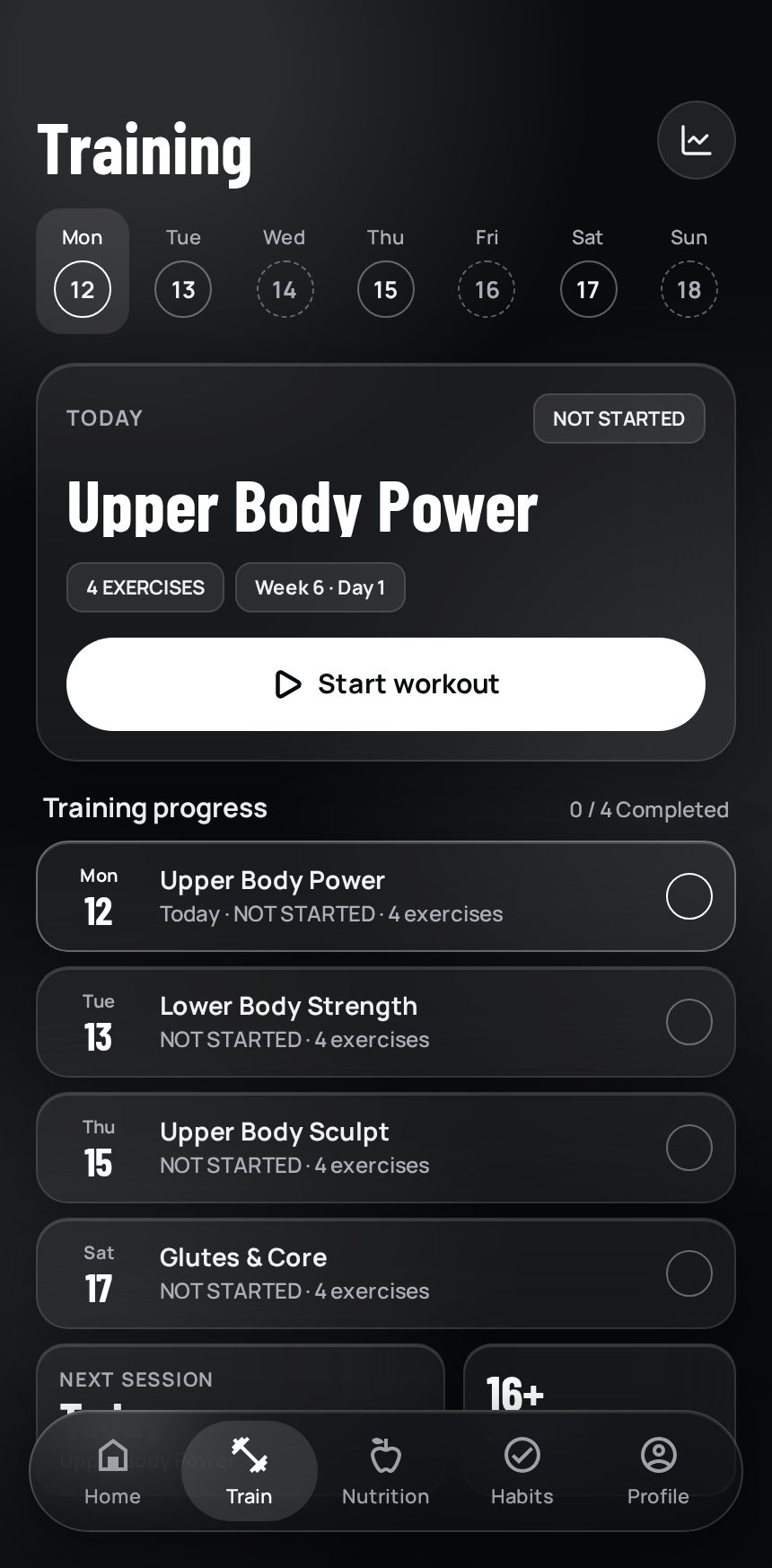
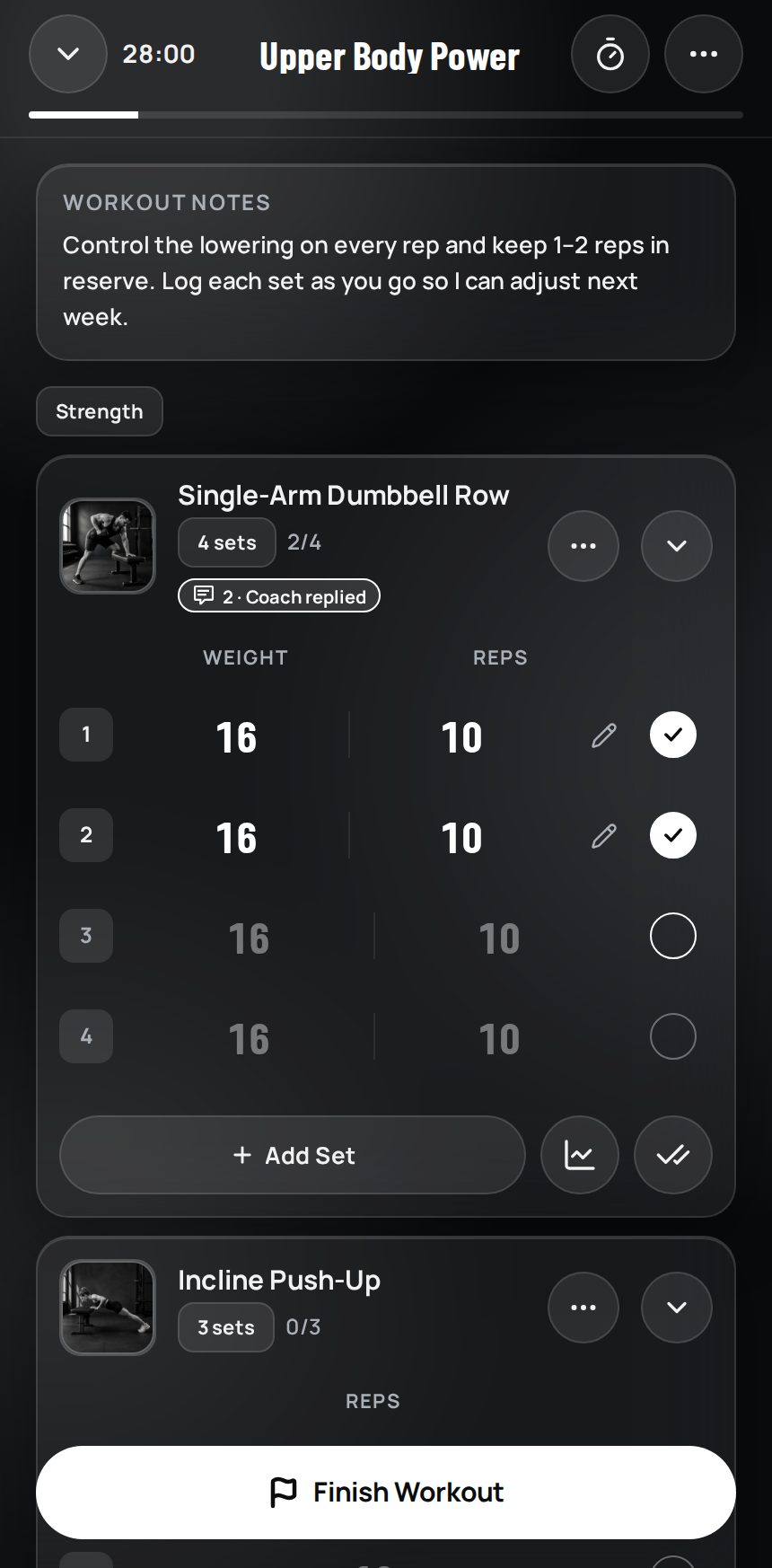
Ask for a test client account and use it yourself: log a workout, open the meal plan, send a check-in, send a voice note. If your clients speak Arabic, don’t settle for an app that is half English.
How do you work out what a platform truly costs?
Divide the monthly fee by the number of clients you will actually coach, then add any commission on payments. That per-client figure is what you compare, not the plan price.
- If the price is in dollars, convert it at today’s rate and consider what happens if it rises.
- Check the next tier: when you sign client number 11 or 26, what do you pay?
- Ask whether plans cap calls or AI usage.
- Commission on client payments looks small, but it is a monthly tax on your growth.
What should AI in a coaching platform do?
It should work on your client’s data and your own library, and send nothing to the client without your approval. A generic chatbot writes a decent program on paper, but it doesn’t know your client has a knee injury or missed three sessions this week.
In the demo, ask them to edit an existing client’s plan in front of you, not build a new one from scratch. Check that you can review and undo before anything reaches the client.
If a platform says its AI messages clients on its own without your review, ask who is responsible when the plan is wrong.
If you leave a platform, what happens to your data?
Ask before you pay, not after. Your clients, their history, photos and your plans are the capital of your business. Get a written answer: what you can export, in what format, and how fast.
Test support during the trial too: send a question on a day off and see when they reply, and in which language.
What are the red flags in a demo?
If you see one of these, slow down before you pay. It doesn’t mean the platform is bad, but it probably wasn’t built for your clients and your market.
- They won’t give you a test client account and only show the coach dashboard.
- The price isn’t published, or changes with a new "offer" on every call.
- Arabic is "coming" or "on the roadmap" with no date.
- The food library has chicken breast and oatmeal but no ful, kabsa or molokhia.
- Clients must pay through the platform for you to coach them, and the platform holds your money.
- Support is email only, replies in days, and not in your language.
Remember that the most expensive part isn’t the subscription. It’s moving all your clients from one platform to another a year later. Choose well the first time, even if the trial takes two extra weeks.
How does UM answer these questions?
As one example, and honestly, here are UM’s answers:
- Regular monthly list prices in Egyptian pounds, before offers: Free up to 3 clients; 450 for 10, 1000 for 25, 1,600 for 50 and 2,600 for 100 clients. Live sessions are an optional add-on from399 EGP for10 sessions a month.
- Clients pay inside their coaching app through a payment gateway, with UM’s official EasyKash partnership. No external payment links. Subscription and renewal tracking stay in the same system. UM takes 0% platform commission on coaching revenue; payment processing fees are separate under the payment service terms.
- An Arabic client app with English too, and it works offline.
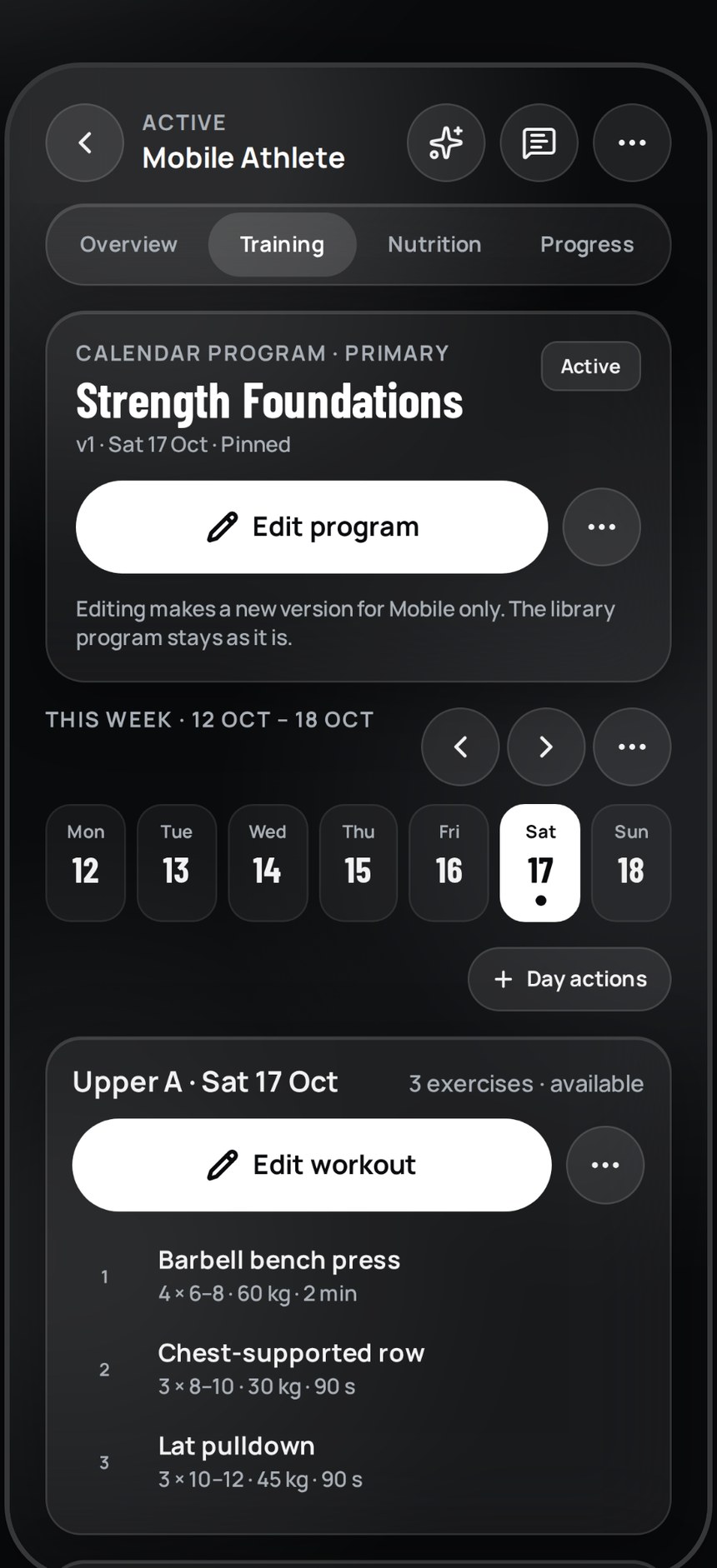
- A library of 5,000+ exercises and 5,000+ meals, most with Arabic names, and you can add your own meals and exercises.
- Check-ins, chat with voice notes, and video or voice calls inside the client app.
- UM AI: it builds and edits programs and meal plans and analyses client performance from their data, and you approve.
- White-label apps under the coach’s own brand for those who want it.
- The UM Coach app, so you can run the whole business from your phone.
Don’t take any platform at its word, UM included. Open a free account, add two clients and run the 12 questions yourself.
If you want someone to walk through these questions with you on your own account, book a call with the UM team.
最近更新: