
Will AI Replace Fitness Coaches? An Honest Answer
No, AI will not replace online fitness coaches, but coaches who use it will take on more clients. What AI does well, what only a coach can do, and how to start.
Makaleler şu an İngilizce ve Arapça olarak mevcut.
7 dk okuma · · UM ekibi
No. AI will not replace online fitness coaches, because coaching is more than a written program. AI is good at first drafts, calculations and reading the numbers. The relationship, the judgement calls, the accountability and the motivation stay with the coach. What changes is capacity: coaches who use AI can serve more clients in the same hours, while coaches who refuse it will simply work harder.
Every coaching group has had this thread: “If a client can ask ChatGPT for a free program, why would they pay me?” It is a fair question, and the worry makes sense.
But look at what clients pay for. The program itself is the smallest part of the package. They pay for someone who follows up, adjusts the plan, and notices when they go quiet.
Can AI write a good workout program on its own?
It can write a mostly correct one, but it misses things that matter. A 2024 study in JMIR Medical Education graded ChatGPT’s exercise recommendations for 26 clinical populations: they were 90.7% accurate but only 41.2% comprehensive.
In other words, what it said was usually right, but a lot went unsaid: progression, precautions, and how to adapt when the client is tired or sore. Those gaps are exactly what a coach fills.
AI hands you a draft that is mostly right. The coach completes what is missing and decides what fits this particular client.
What does AI do better than a coach?
AI is faster than you at any repetitive task built on maths and structure. That is not a threat. It is the work that eats your day.
- First drafts: a multi-week program or a full meal plan in seconds to a minute, instead of an hour or more by hand.
- Calculations: calories, macros and how they split across meals.
- Quick edits: “make Thursday a home session” or “drop the rice at lunch”.
- Reading the data: pulling four weeks of check-ins, workouts and meals together and pointing at the problem.
What can only a coach do?
Four things no AI does in your place: the relationship, the judgement, the accountability and the motivation.
- Relationship: clients stay because they feel seen. A voice note saying “you seem worn out this week” does more than any spreadsheet.
- Judgement: when to add load, when to back off, and when to tell a client to see a doctor before going further.
- Accountability: clients follow through when they know someone will ask on check-in day.
- Motivation: in the week the scale will not move, a client needs a coach who understands them, not an automated message.
| Task | AI | Coach |
|---|---|---|
| First draft of a program | Seconds to a minute | Reviews, edits, approves |
| Calories and macros | Calculates them fast | Decides if the number suits the client |
| Reading check-ins | Collects numbers and spots patterns | Understands the reason behind them |
| Injuries and medical issues | Flags them and refuses medical advice | Decides and refers to a doctor |
| Motivation in a hard week | Suggests a message | The relationship and the words that land |
As most experienced coaches will tell you: “Clients rarely leave because the program was bad. They leave when they feel nobody is watching.”
Do coaches who use AI take on more clients?
Yes, because the time that went into writing comes back for follow-up and new clients. In a 2023 experiment published in Science, 453 professionals doing writing tasks finished 40% faster with ChatGPT, and the quality of their work rose by 18%.
Coaching is not report writing, but much of your week looks like it: programs, meal plans, messages. If the draft takes a minute and your review takes ten, the hours you save turn into extra clients without the quality dropping.
This is not a fitness-only shift. McKinsey’s 2025 State of AI survey found 88% of organisations use AI in at least one business function. Your clients are already tech-comfortable too: ACSM’s 2026 fitness trends survey ranked wearable technology first for the third year running, with mobile exercise apps fourth.
How does UM AI work with you, not instead of you?
UM AI was the first AI built for online coaches in Egypt and the Middle East, built around one idea: with you, not instead of you.
- Built from your client’s data: goal, level, equipment, allergies and the last 28 days of check-ins, meals and workouts.
- Built from your library: your own exercises, foods and recipes, alongside UM’s 5,000+ exercises and 5,000+ meals.
- Asks before it guesses: if something is missing, it asks you instead of assuming.
- Never sends on its own: no program or plan reaches a client until you approve it.
- Every change can be undone: not happy with an edit? Roll it back in one tap.
- Insights with evidence: 3–6 recommendations per client, each tied to dated evidence from their data.
- Speaks your language: 8 languages, including Arabic (Egyptian and Gulf dialect) and English.
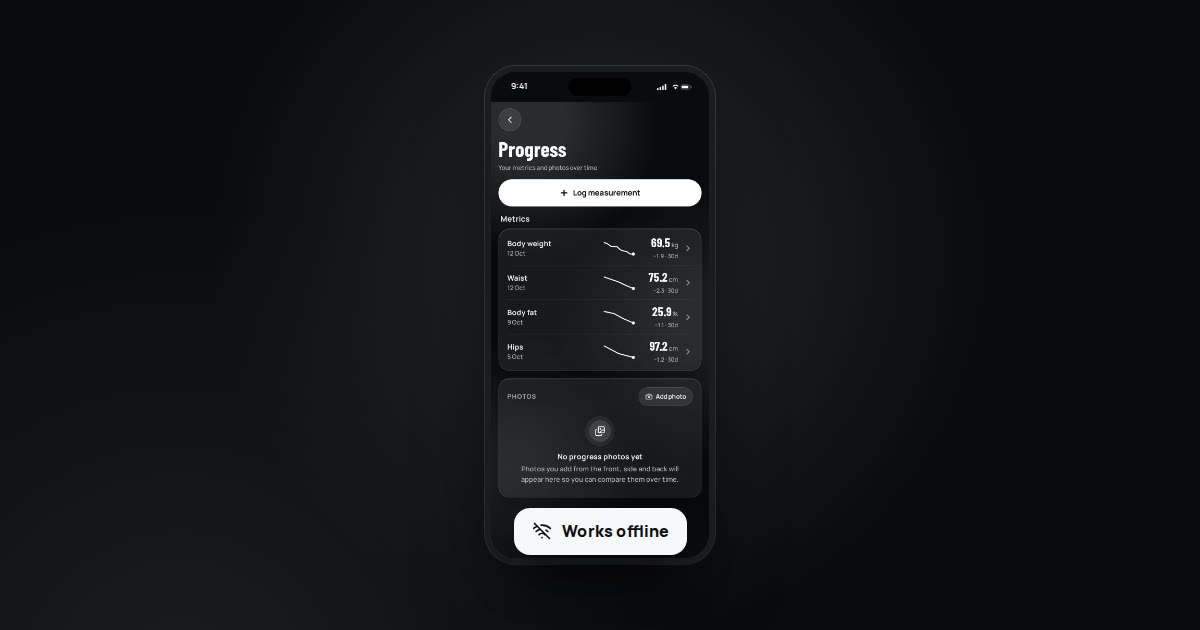
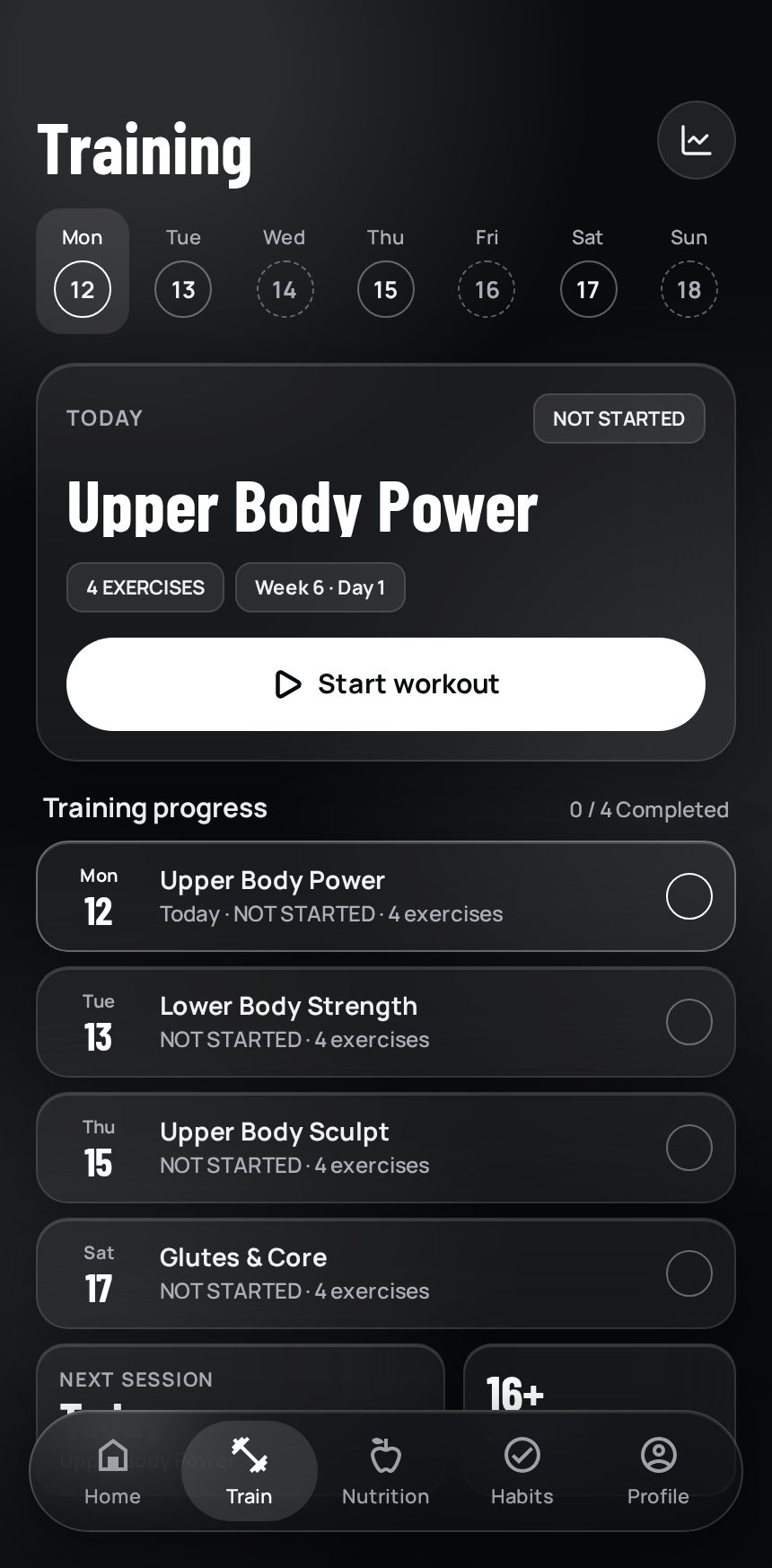
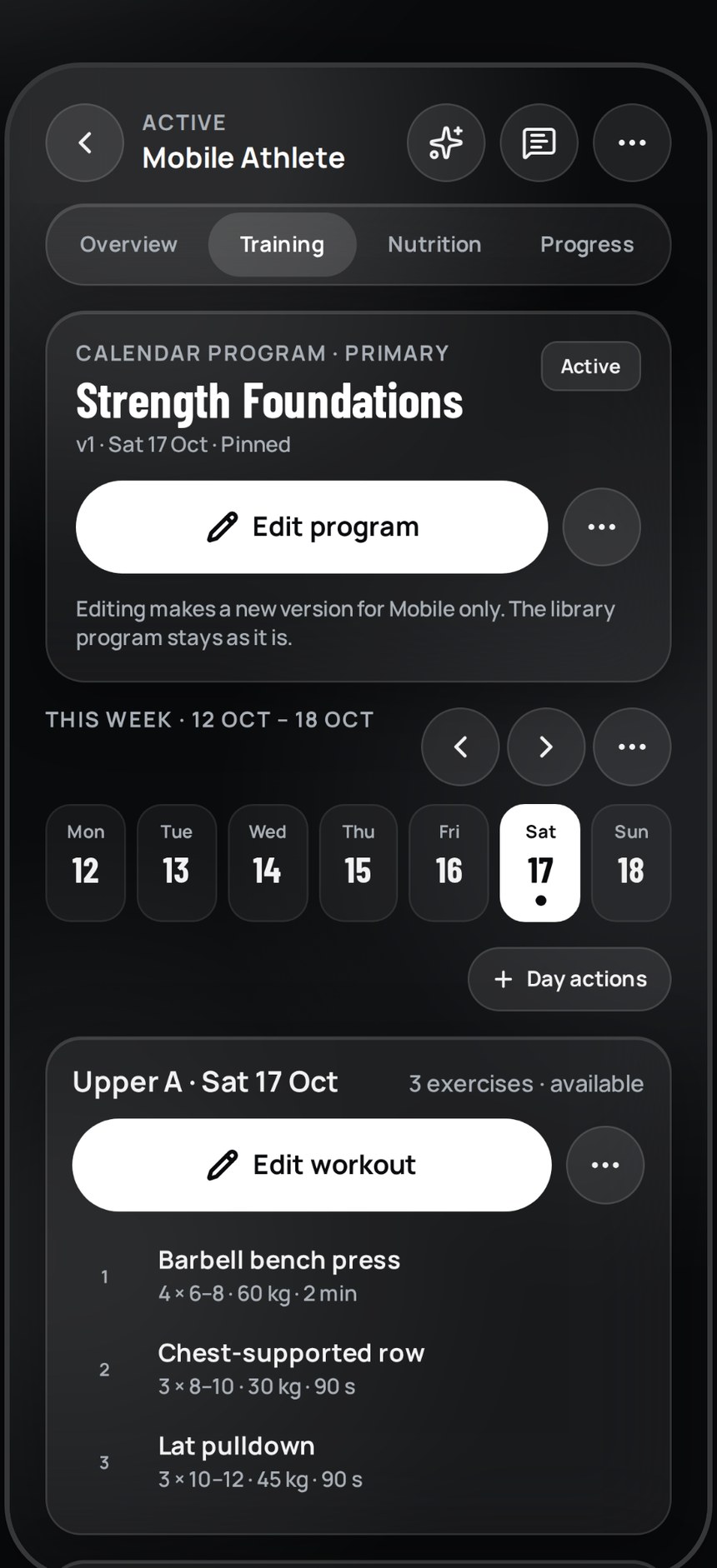
It works on the go as well: the UM Coach mobile app includes AI Studio, so you can draft from the gym floor.
What should coaches do now?
Start with the task you dislike most. For most coaches that is writing programs and working out macros, so hand that to AI first.
- Pick one client with complete data and let AI build the draft.
- Review and edit it yourself, and note how close it came to what you would have written.
- Spend the time you saved on faster check-in replies.
- After two weeks, ask yourself how many more clients you could take in the same hours.
UM is free forever for up to 3 clients, takes 0% commission on client payments, and Free includes very limited UM AI access; eight languages, PDF import and integrations require a paid plan. You can test this idea this week without paying anything.
Son güncelleme: