
How to Price Online Coaching Packages (Without Discounts)
A practical method for pricing online coaching packages: monthly vs 3-month, three clear tiers, a premium tier with live 1:1 sessions, and renewals that stick.
Makaleler şu an İngilizce ve Arapça olarak mevcut.
7 dk okuma · · UM ekibi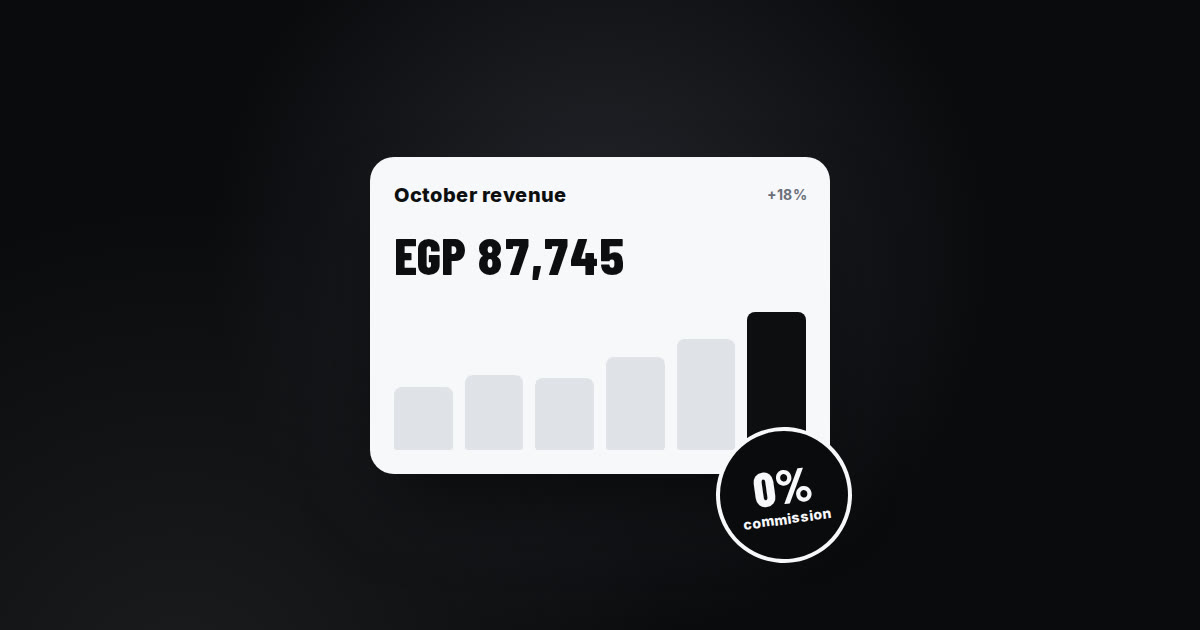
The short answer to pricing online coaching packages: stop selling month by month and hoping clients renew. Build a core 3-month package, offer three tiers with clear differences between them, add a premium tier with live 1:1 sessions, and hold one price you do not discount. Work the number out from your time and the result you promise, not from what another coach charges on Instagram.
Most coaches who struggle with pricing say some version of the same thing: "I'm on WhatsApp all day and the money doesn't match the effort." Usually the problem is not the number of clients. It is the way the package was priced in the first place.
Why monthly-only pricing wears you out
Monthly plans feel easy for the client, but they cause two problems. First, month one is mostly adjustment: learning the exercises, fixing the eating habits. Visible results tend to show later, so the client decides whether to renew at the worst possible moment.
Second, you are selling from scratch every month. Half your energy goes into "are you renewing?" messages instead of coaching. Make 3 months your core package, and keep monthly available at a relatively higher rate so 3 months is the obvious choice.
Price from your time, not from the market
Before you write down a single number, answer these honestly:
- How many hours does one client take per month? Count programming, edits, check-ins and chat.
- How much do I need to earn from coaching each month for this to be worth it?
- How many clients can I serve well without burning out?
- What result can I promise in 12 weeks if the client does the work?
Divide the income you need by the number of clients you can serve properly. That is your floor per month. Then look at the outcome you deliver: helping someone change their body and habits over 3 months is worth more than "a PDF program", so price above the floor.
When your price is built from your own time and capacity, saying no to a discount gets easy, because you know exactly where every unit of income comes from.
Build three tiers
With one option, the client asks "should I buy?". With three, they ask "which one fits me?", which is a much better question for you. The key is that tiers differ in the actual service, not in fancy wording.
- Essentials: training and nutrition plan, weekly check-in, chat replies on set days and hours.
- Full coaching (most popular): everything above, plus plan updates after every check-in, form video reviews and faster replies.
- Premium: everything above, plus regular live 1:1 sessions over video or voice and priority replies.
The middle tier is where most people will land, so make it the one you talk about in posts and sales chats. The premium tier mostly exists to make the middle tier look like a sensible choice.
The premium tier: live sessions make the difference
What sets premium apart is face time. A 1:1 session every two weeks to review progress, fix form and talk through whatever is getting in the way. Not every client needs it, but the ones who do will pay for it.
Run it properly: an agenda the client sees beforehand, a summary saved afterwards. In UM the room opens 15 minutes before the start, reminders go out automatically, and attendance and the summary land in the client file. That makes premium feel professional rather than "just a WhatsApp call".
Renewals and discounts: never price yourself into the ground
The easiest client to sell to is the one you already have. Start the renewal conversation two weeks before the package ends, not on the last day. Send a short recap: where they started, where they are now, and what the next 3 months look like.
If you want to reward renewals, add value instead of cutting price: an extra live session, an extra form review, a special summer block. Discounts teach clients that your actual price is lower. Added value teaches them that staying with you pays off.
- Don't discount your entry tier to "get clients". You will attract people shopping for the cheapest option.
- If you run an offer, limit it by date and spots, and do it once or twice a year at most.
- Raise prices for new clients first, and keep existing clients on their rate for a while as a thank-you.
- Know whose plan ends this month before it ends, not after they have gone quiet.
Clients pay inside their coaching app through a payment gateway, with UM’s official EasyKash partnership. No external payment links. Subscription and renewal tracking stay in the same system. UM takes 0% platform commission on coaching revenue; payment processing fees are separate under the payment service terms.
Start today
You don't need to rebuild everything at once. Do two things this week: make your core package 3 months, and put three clear tiers on your page. After a month, look at which tier people pick and adjust.
And if you want one place for packages, renewals and clients instead of spreadsheets and PDFs on WhatsApp, UM is free forever for up to 3 clients, no card needed.
Son güncelleme: